
Tyre Guides
Tyre Blowout Causes and Warning Signs Drivers Miss
Jul
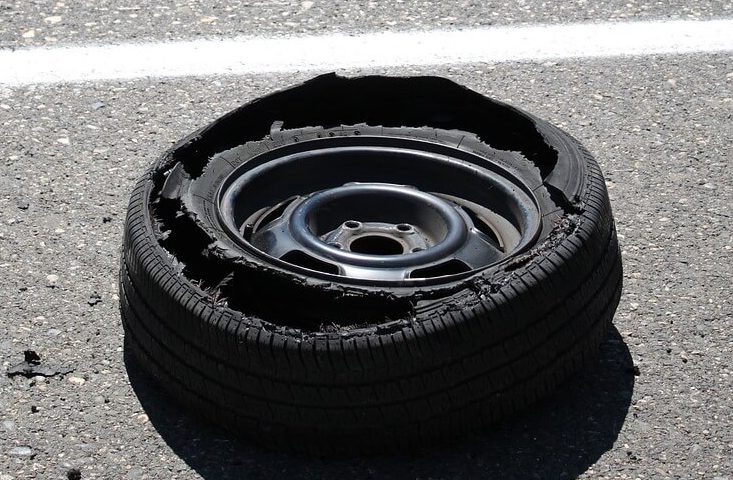
A tyre blowout can happen suddenly, but it is rarely without a reason. Most tyre blowout causes develop gradually through poor maintenance, incorrect tyre pressure, excessive loading, heat exposure, physical damage, or ageing rubber. By understanding the warning signs early, drivers can significantly reduce the risk of tyre failure and improve road safety.
Many motorists assume a blowout is simply bad luck, but most tyre blowout causes are preventable. A tyre that is underinflated, overloaded, damaged, or past its recommended service life is already under stress before failure occurs. When combined with Kenya’s demanding driving conditions—including hot weather, long-distance travel, heavy traffic, potholes, and rough road surfaces—the risk increases further.
For drivers covering long routes between Nairobi and Mombasa, operating commercial vehicles in Eldoret and Kisumu, or travelling through rural roads, tyre condition plays a major role in safety. Proper tyre maintenance is not only about extending tyre life; it is about maintaining control, braking performance, and vehicle stability.
This guide explains the most common tyre blowout causes, the warning signs many drivers overlook, how heat and load affect tyres, and the steps you can take to prevent dangerous tyre failures.
At Mufamo Automotives, we support private motorists, businesses, and fleet operators with reliable automotive solutions. Beyond vehicle safety technology, we provide vehicle tracking solutions (vehicle-tracking), fleet management solutions (fleet-management-solutions), vehicle security products (car-security-systems), and premium automotive accessories across Kenya.
What Is a Tyre Blowout?
A tyre blowout is a sudden loss of tyre pressure caused by a severe failure of the tyre structure.
Unlike a normal puncture, a blowout usually involves rapid air loss because the tyre can no longer contain internal pressure.
A blowout may result from:
- Damaged tyre structure
- Excessive heat buildup
- Overloading
- Severe underinflation
- Old rubber
- Impact damage
Understanding tyre blowout causes helps drivers identify problems before failure occurs.
Why Tyre Blowouts Are Dangerous
A tyre blowout can affect:
- Steering control
- Vehicle stability
- Braking ability
- Driver confidence
- Passenger safety
The risk is higher at highway speeds because tyres generate more heat and experience greater stress.
Commercial vehicles, SUVs, pickups, and heavily loaded vehicles require particular attention because their tyres often carry higher loads.
7 Major Tyre Blowout Causes Every Driver Should Know
1. Driving With Underinflated Tyres
One of the most common tyre blowout causes is incorrect tyre pressure.
When a tyre is underinflated, more of the sidewall flexes during driving.
This creates:
- Excess heat
- Increased friction
- Faster wear
- Structural weakness
Eventually, the tyre may fail under stress.
Prevention
- Check tyre pressure monthly.
- Inspect pressure before long trips.
- Follow manufacturer recommendations.
2. Excessive Heat Build-Up
Heat is one of the biggest contributors to tyre failure.
As tyres rotate, they naturally generate heat. However, excessive heat from underinflation, high speeds, heavy loads, or hot road surfaces can weaken the rubber and internal components.
Kenyan conditions can increase heat exposure, especially during:
- Long highway journeys
- Hot afternoons
- Heavy traffic conditions
- Fully loaded trips
Heat management is a major part of tyre safety.
3. Vehicle Overloading
Another major cause among tyre blowout causes is carrying more weight than the tyres are designed to support.
Overloading increases:
- Tyre pressure stress
- Heat generation
- Sidewall strain
- Tread deformation
This is common in:
- Delivery vans
- Pickups
- Public service vehicles
- Transport trucks
- Commercial fleets
Always confirm that your tyre load rating matches your vehicle requirements.
4. Old or Ageing Tyres
Tyres deteriorate even when they are not heavily used.
Over time, rubber loses flexibility and becomes more vulnerable to cracking and structural failure.
Signs of ageing include:
- Cracks on sidewalls
- Hardened rubber
- Reduced grip
- Visible deterioration
Checking tyre age is just as important as checking tread depth.
5. Previous Impact Damage
Potholes, kerbs, and road debris can create hidden tyre damage.
A tyre may appear normal externally but have weakened internal layers.
Common impact-related damage includes:
- Sidewall bubbles
- Internal separation
- Bent wheels
- Slow leaks
After a severe pothole impact, inspect the tyre carefully.
You can also explore our car reverse camera systems (car-reverse-cameras) and parking sensor solutions (car-parking-sensors) to improve vehicle awareness and reduce avoidable impacts.
6. Incorrect Tyre Repairs
Poor-quality repairs can become serious tyre blowout causes.
Examples include:
- Incorrect puncture repairs
- Multiple repairs in unsafe areas
- Damaged sidewall repairs
- Incorrect tyre fitting
Professional repair standards help maintain tyre safety.
7. Uneven Tyre Wear
Uneven wear weakens tyres and reduces their ability to handle stress.
Common causes include:
- Poor wheel alignment
- Incorrect pressure
- Suspension problems
- Lack of rotation
Wear patterns such as inside edge wear, shoulder wear, or cupping should be investigated early.
Warning Signs Drivers Should Never Ignore
Many drivers miss early indicators before a blowout occurs.
Watch for:
Sidewall Bulges
A bulge indicates internal structural damage and should be treated seriously.
Frequent Pressure Loss
A tyre that repeatedly loses air may have damage requiring inspection.
Cracks in Rubber
Visible cracking may indicate ageing or environmental damage.
Excessive Vibration
Vibration can suggest tyre, wheel, or suspension problems.
Uneven Wear
Rapid or irregular wear often indicates a mechanical issue.
How Heat, Load and Pressure Work Together
| Factor | Effect on Tyre | Blowout Risk |
|---|---|---|
| Low Pressure | Excessive flexing and heat | High |
| Heavy Load | Increased stress | High |
| High Speed | More heat generation | Increased |
| Old Rubber | Reduced strength | Increased |
| Poor Alignment | Uneven stress | Increased |
How to Prevent Tyre Blowouts
Preventing tyre blowout causes begins with consistent maintenance.
Follow these practices:
- Check tyre pressure regularly.
- Inspect tyres before long journeys.
- Avoid overloading vehicles.
- Replace damaged tyres promptly.
- Rotate tyres according to manufacturer recommendations.
- Maintain proper wheel alignment.
- Avoid driving aggressively over potholes.
Fleet businesses can improve tyre monitoring and maintenance planning using our fleet management solutions
What to Do If a Tyre Blowout Happens
If a blowout occurs while driving:
- Keep both hands firmly on the steering wheel.
- Avoid sudden braking.
- Allow the vehicle to slow gradually.
- Move safely off the road.
- Inspect the vehicle before continuing.
Remaining calm helps maintain better vehicle control.
Professional Tyre Inspection Checklist
A professional tyre inspection should check:
- Tyre pressure
- Tread depth
- Sidewall condition
- Tyre age
- Wheel condition
- Alignment
- Suspension components
Regular inspections help identify tyre blowout causes before they become dangerous.
Frequently Asked Questions
What are the main tyre blowout causes?
The most common causes are underinflation, excessive heat, overloading, old tyres, impact damage, poor repairs, and uneven wear.
Can low tyre pressure cause a blowout?
Yes. Underinflated tyres generate excessive heat and flexing, which can weaken the tyre structure.
How does heat damage tyres?
High temperatures increase internal stress and can weaken rubber and tyre components over time.
Can old Tyre blowout causes suddenly fail?
Yes. Ageing rubber loses strength and becomes more vulnerable to cracking and structural failure.
How often should Tyre blowout causes be inspected?
Tyres should be checked monthly and before long journeys, especially when carrying heavy loads.
Conclusion
Understanding tyre blowout causes is essential for every driver because most tyre failures provide warning signs before they happen. Underinflation, excessive heat, heavy loads, ageing rubber, impact damage, and poor maintenance are among the biggest contributors to tyre failure.
Regular inspections, correct tyre pressure, proper loading, and timely replacement of damaged tyres can dramatically reduce blowout risks. Whether you drive a personal vehicle, pickup, SUV, or manage a commercial fleet, tyre safety should always be a priority.
Your Trusted Automotive Technology & Vehicle Security Partner in Kenya
Whether you’re securing a personal vehicle, managing a commercial fleet, or upgrading your vehicle with the latest automotive technology, Mufamo Automotives delivers reliable, high-quality solutions backed by professional installation and exceptional customer support. From GPS vehicle tracking and fleet management systems to car security, reverse cameras, parking sensors, dash cameras, and premium automotive accessories, we help keep your vehicles safer, smarter, and more efficient.
Contact our team today for expert advice, product recommendations, or a customized quotation.
WHY CHOOSE MUFAMO AUTOMOTIVES
✔ Professional Vehicle Security Solutions
✔ Advanced GPS Tracking & Fleet Management
✔ Genuine Automotive Accessories
✔ Expert Installation Services
✔ Wholesale & Business Partnership Opportunities
✔ Serving Nairobi, Mombasa, Eldoret, Busia, Uasin Gishu, Tiktac Kona, and beyond.
Contact Mufamo Automotives
Email: sales@mufamoautomotives.co.ke
Phone: +254 762 228 888
Branches
- Nairobi – Kumasi Road & Gilgil Road
- Eldoret – Uasin Gishu, Eldoret CBD
- Busia – Burumba
- Mombasa – Tiktac Kona
Website: https://mufamoautomotives.co.ke
Sales & Wholesale Enquiries
For pricing, stock availability, bulk purchases, reseller opportunities, and business partnerships, contact our sales team for competitive pricing and reliable supply solutions.
Request a Quote today and experience trusted automotive technology, vehicle security, and fleet management solutions from Mufamo Automotives.
