Tyre Guides
Hidden Dangers of Overloading Tyres and Costly Failures
Jul
For many commercial drivers and fleet owners, adding one more sack, extra cargo box, or additional load may seem like a small decision. However, overloading tyres creates a chain reaction that affects tyre strength, fuel consumption, vehicle handling, and overall operating costs. What appears to be a way to maximise every trip can quickly become an expensive mistake.
Commercial vehicles in Kenya often operate under demanding conditions. Trucks, pickups, delivery vans, agricultural vehicles, and transport vehicles regularly carry heavy loads across highways, construction routes, and rural roads. When tyres are forced to support more weight than they were designed for, they experience excessive stress that accelerates wear and increases the risk of sudden failure.
Understanding overloading tyres is essential for transport companies, logistics operators, farmers, and business owners who depend on vehicles for daily operations. Tyres are not simply round rubber components; they are engineered systems designed with specific load ratings, pressure requirements, and operating limits.
This guide explains how overloading damages tyres, why load index matters, the warning signs of excessive tyre stress, and how proper tyre management can reduce costs while improving road safety.
At Mufamo Automotives, we support motorists and businesses with reliable automotive solutions designed to improve vehicle performance and safety. Alongside automotive technology products, we provide fleet management solutions (fleet-management-solutions), vehicle tracking solutions (vehicle-tracking), vehicle security products (car-security-systems), and professional automotive accessories throughout Kenya.
What Does Overloading Tyres Mean?
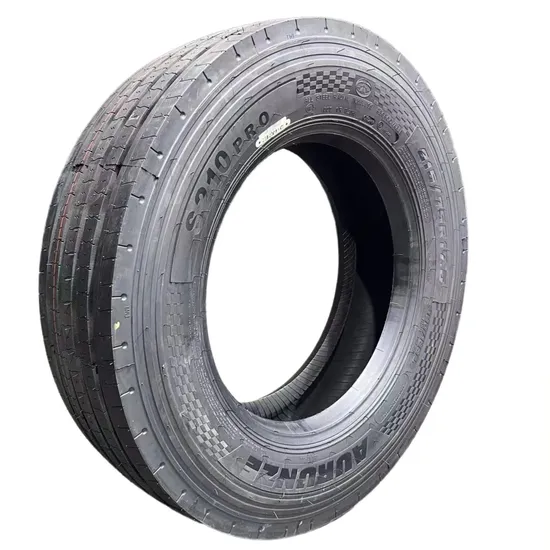
Overloading tyres occurs when tyres are forced to carry more weight than their recommended maximum load capacity.
Every tyre has a specific load rating that determines how much weight it can safely support at the correct inflation pressure.
When a vehicle exceeds this limit, the tyres experience:
- Increased sidewall flexing
- Higher internal temperature
- Greater structural stress
- Faster tread wear
- Reduced handling stability
The extra load does not only affect tyre life—it affects the entire vehicle.
Why Overloading Tyres Is More Expensive Than It Looks
Many operators focus on the immediate benefit of carrying additional cargo but overlook the long-term costs.
The hidden costs of overloading tyres include:
- Frequent tyre replacements
- Increased fuel consumption
- More suspension repairs
- Higher accident risk
- Reduced vehicle efficiency
- Unexpected downtime
A tyre failure during delivery can cost far more than the revenue gained from carrying extra weight.
7 Major Effects of Overloading Tyres
1. Excessive Heat Build-Up
One of the biggest dangers of overloading tyres is increased heat generation.
When a tyre carries excessive weight, the sidewalls flex more with every rotation.
This creates:
- Internal friction
- Higher temperatures
- Rubber deterioration
- Structural weakening
Heat is one of the leading causes of tyre failure, especially during long-distance transport.
For vehicles travelling between Nairobi, Mombasa, Eldoret, Kisumu, and other regions, proper load management is critical.
2. Faster Tyre Wear
Heavy loads place additional pressure on the tread surface.
The result is:
- Faster tread loss
- Uneven wear patterns
- Shorter tyre lifespan
A tyre designed to last many kilometres may wear out significantly earlier when consistently overloaded.
3. Increased Risk of Tyre Blowouts
Overloading tyres is one of the major contributors to tyre blowouts.
Excess weight causes:
- Excessive heat
- Increased internal pressure
- Sidewall stress
- Structural fatigue
The risk becomes higher when combined with:
- Low tyre pressure
- High speeds
- Hot weather
- Long-distance travel
4. Reduced Vehicle Control
Heavy loads affect vehicle handling.
Drivers may experience:
- Longer braking distances
- Reduced steering response
- Poor cornering stability
- Increased body movement
This becomes particularly dangerous during emergency manoeuvres.
5. Increased Fuel Consumption
More weight requires more energy to move.
Overloaded vehicles typically consume more fuel because:
- The engine works harder.
- Rolling resistance increases.
- Acceleration requires more power.
Reducing unnecessary weight can improve fuel efficiency.
6. Suspension and Steering Damage
Although tyres carry the load, other vehicle systems also suffer.
Overloading can accelerate wear on:
- Shock absorbers
- Springs
- Bushes
- Ball joints
- Steering components
The result is increased repair costs and reduced vehicle reliability.
7. Reduced Tyre Performance
A tyre operating beyond its design capacity cannot perform properly.
Effects include:
- Reduced grip
- Poor braking performance
- Lower comfort
- Increased noise
- Higher failure risk
Correct load matching ensures tyres perform as intended.
Understanding Tyre Load Index
The tyre load index indicates the maximum weight a tyre can carry at its recommended pressure.
For example:
| Load Index | Approximate Maximum Load |
|---|---|
| 91 | 615 kg |
| 95 | 690 kg |
| 102 | 850 kg |
| 109 | 1,030 kg |
The correct tyre specification depends on:
- Vehicle weight
- Maximum payload
- Number of passengers
- Operating conditions
Choosing tyres with the correct load rating is essential for commercial vehicles.
How Overloading tyres Pressure Affects Heavy Loads
Correct tyre pressure is especially important when carrying heavy loads.
Underinflated tyres combined with overloading tyres create a dangerous combination.
Low pressure causes:
- Excessive flexing
- Heat buildup
- Increased fuel consumption
- Sidewall damage
Always follow manufacturer pressure recommendations.
Signs Your Vehicle May Be Overloading Tyres
Watch for these warning signs:
Visible Sidewall Bulging
Bulging indicates excessive stress or structural damage.
Frequent Tyre Failures
Repeated punctures or failures may indicate incorrect load management.
Rapid Tread Wear
Fast wear suggests the tyres are working beyond their limits.
Vehicle Sagging
A visibly lowered rear suspension may indicate excessive cargo weight.
Poor Handling
Heavy steering and unstable braking may signal overloading.
Overloading Tyres vs Correct Load Management
| Factor | Overloaded Vehicle | Correct Load Management |
|---|---|---|
| Tyre Life | Reduced | Extended |
| Fuel Use | Higher | Lower |
| Safety | Reduced | Improved |
| Maintenance Cost | Increased | Controlled |
| Vehicle Performance | Poor | Better |
How Fleet Operators Can Prevent Tyre Overloading
Commercial fleets should implement tyre management procedures.
Best practices include:
- Check vehicle payload limits.
- Train drivers on load distribution.
- Monitor tyre pressure.
- Inspect tyres regularly.
- Track tyre mileage.
- Replace unsuitable tyres.
Businesses can improve vehicle monitoring through our fleet management systems:
These solutions help companies improve operational efficiency and reduce unnecessary vehicle costs.
How to Choose the Right Commercial Tyres
When selecting tyres for heavy-duty use, consider:
Load Rating
Ensure tyres can support the expected payload.
Vehicle Application
Different tyres suit:
- Trucks
- Vans
- Pickups
- Agricultural vehicles
Road Conditions
Consider whether the vehicle operates on:
- Highways
- Construction sites
- Rural roads
- Mixed surfaces
Operating Distance
Long-distance transport requires tyres designed for durability and heat resistance.
Professional Tyre Assessment
If your business frequently carries heavy loads, professional tyre assessment is recommended.
Inspection should include:
- Load rating verification
- Tyre pressure check
- Tread inspection
- Sidewall examination
- Wheel alignment
- Suspension inspection
For additional vehicle safety upgrades, explore:
- Our dash camera solutions: dash-cameras
- Our reverse camera systems: car-reverse-cameras
- Our parking sensor solutions: car-parking-sensors
Frequently Asked Questions
What happens when Overloading tyres?
Overloading increases heat, accelerates wear, reduces handling ability, and increases the risk of tyre failure.
Can tyre pressure compensate for overloading?
No. Correct pressure helps tyres perform safely but cannot make a tyre carry more weight than its rated capacity.
How do I know my tyre load rating?
The load index is printed on the tyre sidewall as part of the tyre size markings.
Do truck tyres handle overloading better?
Heavy-duty tyres are designed for higher loads, but they still have maximum limits that should not be exceeded.
Can overloading damage suspension?
Yes. Excessive weight increases stress on suspension and steering components.
Conclusion
Overloading tyres may appear to increase business productivity by allowing more cargo per trip, but the hidden costs can quickly outweigh the short-term benefits. Excess weight increases heat, accelerates tyre wear, damages vehicle components, increases fuel consumption, and creates serious safety risks.
For transport companies, logistics operators, farmers, and commercial vehicle owners, proper load management is one of the most effective ways to reduce operating costs and improve reliability. Matching tyre specifications to real-world payload requirements, maintaining correct pressure, and performing regular inspections will help maximise tyre lifespan and protect your investment.
Your Trusted Automotive Technology & Vehicle Security Partner in Kenya
Whether you’re securing a personal vehicle, managing a commercial fleet, or upgrading your vehicle with the latest automotive technology, Mufamo Automotives delivers reliable, high-quality solutions backed by professional installation and exceptional customer support. From GPS vehicle tracking and fleet management systems to car security, reverse cameras, parking sensors, dash cameras, and premium automotive accessories, we help keep your vehicles safer, smarter, and more efficient.
Contact our team today for expert advice, product recommendations, or a customized quotation.
WHY CHOOSE MUFAMO AUTOMOTIVES
✔ Professional Vehicle Security Solutions
✔ Advanced GPS Tracking & Fleet Management
✔ Genuine Automotive Accessories
✔ Expert Installation Services
✔ Wholesale & Business Partnership Opportunities
✔ Serving Nairobi, Mombasa, Eldoret, Busia, Uasin Gishu, Tiktac Kona, and beyond.
Contact Mufamo Automotives
Email: sales@mufamoautomotives.co.ke
Phone: +254 762 228 888
Branches
- Nairobi – Kumasi Road & Gilgil Road
- Eldoret – Uasin Gishu, Eldoret CBD
- Busia – Burumba
- Mombasa – Tiktac Kona
Website: https://mufamoautomotives.co.ke
Sales & Wholesale Enquiries
For pricing, stock availability, bulk purchases, reseller opportunities, and business partnerships, contact our sales team for competitive pricing and reliable supply solutions.
Request a Quote today and experience trusted automotive technology, vehicle security, and fleet management solutions from Mufamo Automotives.
