
Tyres, Wheels & Wheel Fitment
Alloy vs Steel Wheels: What Your Choice Does to Your Tyres
Jul
Choosing between alloy vs steel wheels is about far more than appearance. The type of wheel fitted to your vehicle directly affects tyre wear, handling, ride comfort, impact resistance, fuel economy, and long-term maintenance costs. Whether you drive daily through Nairobi traffic, travel long distances on the Mombasa Highway, or regularly tackle rough murram roads upcountry, understanding alloy vs steel wheels will help you make a smarter investment.
Many motorists select wheels based solely on style or price without considering how alloy vs steel wheels influence tyre performance. Yet wheels form the foundation of the tyre assembly, supporting the tyre bead, maintaining an airtight seal, and absorbing forces from potholes, kerbs, speed bumps, and uneven road surfaces. The wrong wheel choice can shorten tyre life and increase repair costs.
Kenyan driving conditions are particularly demanding. Deep potholes during rainy seasons, rough construction zones, overloaded commercial vehicles, and gravel roads all place significant stress on both tyres and wheels. Selecting the right option in the alloy vs steel wheels debate can improve safety while reducing the likelihood of wheel damage and premature tyre replacement.
At Mufamo Automotives, we help motorists improve vehicle performance and safety through professional automotive solutions. Whether you need GPS vehicle tracking solutions, vehicle security systems, or high-quality automotive accessories, our team provides expert advice and professional installation throughout Kenya.
Alloy vs Steel Wheels: Understanding the Key Differences
When comparing alloy vs steel wheels, the biggest differences are material, weight, strength, heat dissipation, and how each affects tyre performance. Choosing the right wheel depends on your driving conditions and vehicle requirements.
The discussion around alloy vs steel wheels begins with the materials used in manufacturing.
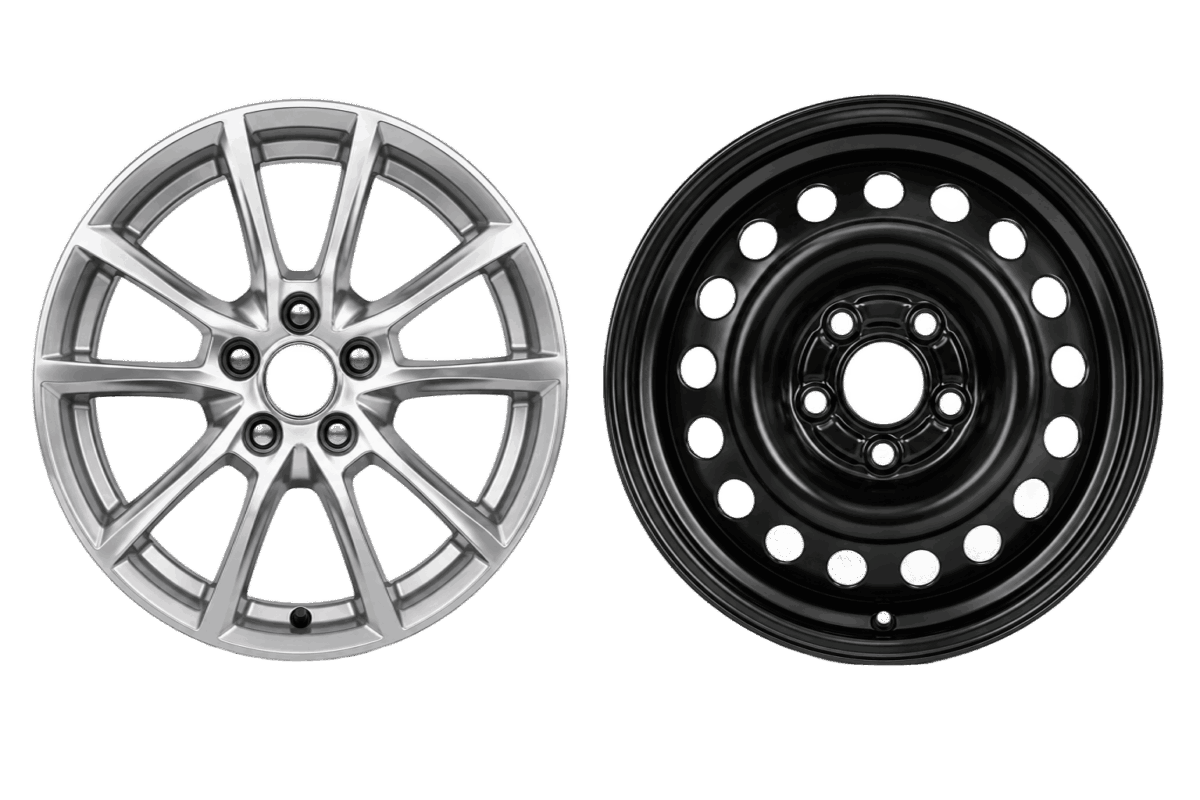
Steel wheels are made from pressed and welded steel, making them extremely durable and resistant to severe impacts. Alloy wheels are manufactured from aluminium or aluminium-magnesium alloys, making them lighter while offering improved heat dissipation and more attractive designs.
Although both wheel types safely support tyres, they behave differently under real driving conditions.
Key differences include:
- Overall wheel weight
- Structural strength
- Heat management
- Corrosion resistance
- Repairability
- Purchase cost
- Appearance
- Tyre performance
Understanding these differences helps drivers select the best wheel for their specific needs.
How Alloy vs Steel Wheels Affect Tyre Performance
One of the biggest factors in the alloy vs steel wheels comparison is tyre performance. Wheel construction influences how tyres wear, grip the road, and respond to changing driving conditions.
Tyres depend on properly manufactured wheels to maintain their shape and create an effective seal against air loss.
The choice between alloy vs steel wheels influences:
- Tyre wear patterns
- Vehicle stability
- Steering response
- Ride comfort
- Heat transfer
- Braking performance
Lighter alloy wheels reduce unsprung weight, allowing the suspension to react more quickly to road irregularities. This often improves handling and can contribute to more even tyre wear.
Steel wheels, on the other hand, absorb heavy impacts well and may be preferable for vehicles operating regularly on damaged roads or construction sites.
Why Alloy vs Steel Wheels Matter for Everyday Driving
The alloy vs steel wheels decision affects everyday driving because different wheel materials respond differently to potholes, kerbs, heavy loads, and changing road conditions.
Drivers in Kenya regularly encounter:
- Deep potholes
- Uneven road shoulders
- Speed bumps
- Loose gravel
- Flood-damaged roads
- Rural murram routes
These conditions place continuous stress on both wheels and tyres.
When evaluating alloy vs steel wheels, it is important to consider where the vehicle spends most of its time.
Examples include:
Urban Driving
City vehicles benefit from lighter wheels that improve steering response and braking.
Rural Driving
Vehicles travelling on rough roads may benefit from stronger impact resistance.
Commercial Operations
Delivery vehicles and fleet operators should consider durability, replacement costs, and maintenance requirements when comparing alloy vs steel wheels.
How Alloy vs Steel Wheels Influence Tyre Wear
Tyre wear is directly affected by the wheel supporting it. Comparing alloy vs steel wheels shows that weight, rigidity, and impact resistance all influence how evenly tyres wear over time.
Several factors affect tyre longevity:
Wheel Weight
Lighter alloy wheels reduce rotational mass, helping tyres maintain more consistent contact with the road.
Wheel Balance
Properly balanced alloy vs steel wheels reduce vibration that can create uneven tread wear.
Impact Resistance
Bent wheels can cause tyre vibration, poor sealing, and irregular tread wear.
Regular inspections help identify wheel damage before tyres suffer permanent wear.
Alloy vs Steel Wheels for Kenyan Roads
Kenyan road conditions make the alloy vs steel wheels decision particularly important because roads vary significantly between urban highways and rural routes.
Drivers frequently travel across:
- Nairobi highways
- Mombasa Road
- Nakuru highways
- Eldoret transport corridors
- Rural county roads
- Construction zones
Each environment creates different challenges.
Alloy wheels generally perform well on smooth highways because their lower weight improves ride quality.
Steel wheels often perform better where severe potholes and rough surfaces are common because they can tolerate harder impacts without cracking.
Selecting between alloy vs steel wheels should always consider your typical driving environment rather than appearance alone.
How Alloy vs Steel Wheels Affect Tyre Pressure and Sealing
Proper tyre sealing depends on wheel condition. The alloy vs steel wheels choice influences how well tyres maintain air pressure over long periods.
A properly manufactured wheel creates an airtight seal where the tyre bead contacts the rim.
Problems such as:
- Bent wheel flanges
- Corrosion
- Poor-quality repairs
- Impact damage
can cause slow air leaks regardless of tyre quality.
Routine inspection of alloy vs steel wheels helps identify problems before tyre pressure drops enough to affect handling or fuel economy.
Drivers should also ensure wheels remain free from excessive corrosion, cracks, and deformation that may compromise tyre sealing.
For improved vehicle safety and convenience, many motorists also choose dash camera solutions and reverse camera systems from Mufamo Automotives to complement their tyre and wheel upgrades.
Common Mistakes When Choosing Alloy vs Steel Wheels
Many drivers make purchasing decisions based on appearance alone, but understanding alloy vs steel wheels helps avoid expensive tyre and wheel problems later.
Common mistakes include:
- Buying the wrong wheel size
- Ignoring load ratings
- Using incorrect tyre sizes
- Purchasing low-quality aftermarket wheels
- Failing to check wheel offset
- Neglecting wheel balancing after installation
Professional fitment ensures both the wheel and tyre perform as intended while maintaining vehicle safety and handling.
Your Trusted Automotive Technology & Vehicle Security Partner in Kenya
Whether you’re improving your vehicle’s safety, upgrading its performance, or choosing the right wheels and tyres, Mufamo Automotives delivers reliable, high-quality automotive solutions backed by professional installation and exceptional customer support.
From GPS vehicle tracking and fleet management systems to car security, reverse cameras, parking sensors, dash cameras, and premium automotive accessories, we help keep your vehicles safer, smarter, and more efficient on every journey.
Contact our team today for expert advice, product recommendations, wheel fitment guidance, or a customised quotation.
Why Choose Mufamo Automotives?
- Professional Vehicle Security Solutions
- Advanced GPS Tracking & Fleet Management
- Genuine Automotive Accessories
- Expert Installation Services
- Professional Advice on Vehicle Upgrades and Fitment
- Wholesale & Business Partnership Opportunities
- Serving Nairobi, Mombasa, Eldoret, Busia, Uasin Gishu, Tiktac Kona, and customers across Kenya
Contact Mufamo Automotives
Email: sales@mufamoautomotives.co.ke
Phone: +254 762 228 888
Website: https://mufamoautomotives.co.ke
Visit Our Branches
Nairobi Branch
Kumasi Road & Gilgil Road
Eldoret Branch
Uasin Gishu, Eldoret CBD
Busia Branch
Burumba
Mombasa Branch
Tiktac Kona
Sales & Wholesale Enquiries
For pricing, stock availability, bulk purchases, fleet requirements, reseller opportunities, and business partnerships, contact our sales team for competitive pricing and dependable supply solutions.
Whether you need expert advice on alloy vs steel wheels, professional vehicle accessories, GPS tracking systems, car security upgrades, dash cameras, reverse cameras, parking sensors, or fleet management solutions, Mufamo Automotives is your trusted automotive partner across Kenya.
Request a quote today and experience trusted automotive technology, vehicle security, and professional automotive solutions from Mufamo Automotives.
