
Tyres & Wheel Performance
Are Wider Tyres Better? Grip, Fuel and Pothole Trade-Offs
Jul
Choosing wider tyres is one of the most common upgrades drivers consider when replacing their vehicle’s wheels or improving its appearance. While wider tyres often provide better grip, improved cornering stability, and a more aggressive look, they also come with trade-offs that can affect fuel economy, ride comfort, tyre wear, and performance on rough Kenyan roads.
Many motorists assume wider tyres are automatically better because they are commonly fitted to sports cars and premium SUVs. However, the ideal tyre width depends on several factors, including your vehicle’s design, driving style, road conditions, and the manufacturer’s recommended specifications. Installing wider tyres without understanding these factors can lead to increased running costs and reduced overall performance.
For drivers in Kenya, the debate over wider tyres is especially important. Roads vary from smooth highways in Nairobi to rough murram roads, pothole-filled urban streets, and long-distance transport routes. Understanding how wider tyres behave in these conditions helps you choose a setup that balances safety, durability, comfort, and operating costs.
At Mufamo Automotives, we help motorists make informed vehicle upgrade decisions with professional advice and quality automotive solutions. Whether you are looking for vehicle security systems, GPS vehicle tracking solutions, or premium automotive accessories, our team is ready to help you improve your vehicle’s safety and performance.
Wider Tyres: Understanding the Benefits and Drawbacks
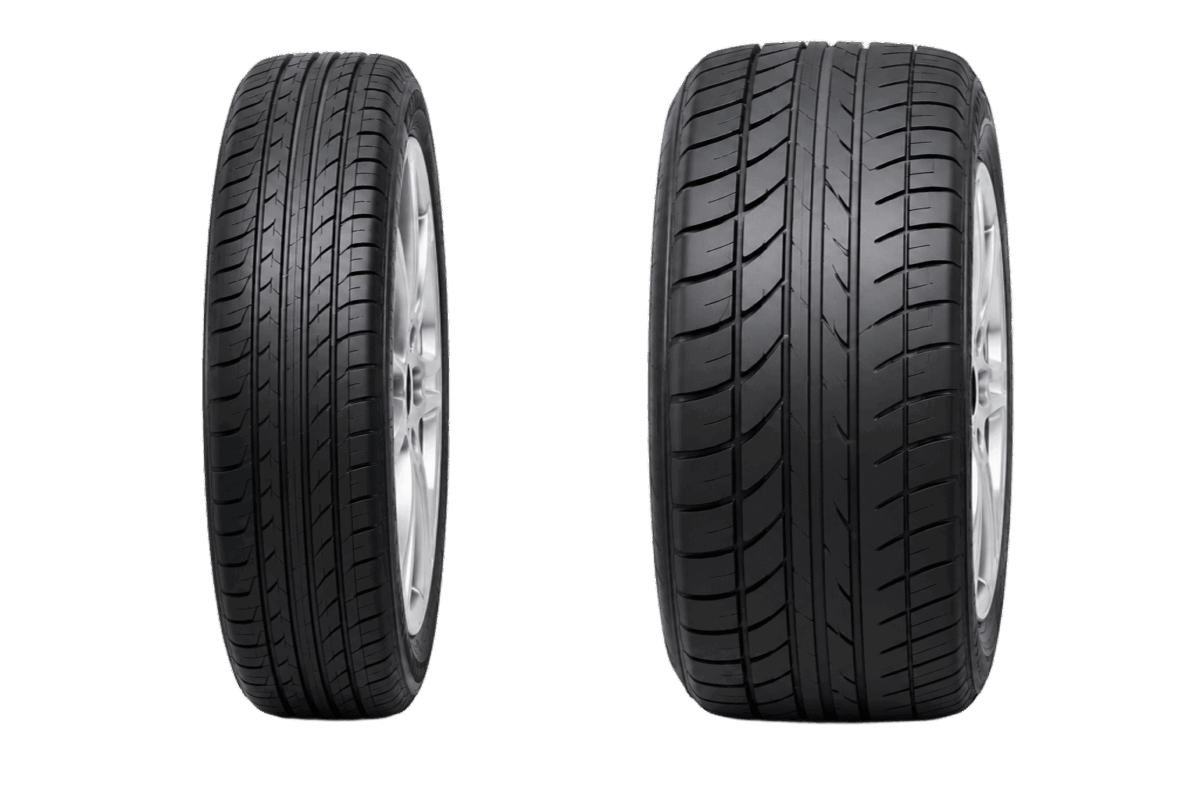
Wider tyres increase the contact area between the tyre and the road, improving grip in many situations. However, wider tyres can also increase rolling resistance, fuel consumption, and the likelihood of impact damage on poor road surfaces.
The main difference between standard-width tyres and wider tyres is the size of the tread that touches the road surface.
This larger contact patch influences several aspects of vehicle performance, including:
- Dry-road grip
- Steering response
- Cornering stability
- Braking performance
- Fuel consumption
- Ride comfort
- Tyre wear
- Aquaplaning resistance
Although wider tyres offer performance advantages, they are not automatically the best choice for every vehicle.
How Wider Tyres Improve Grip on Dry Roads
One of the biggest advantages of wider tyres is increased grip on dry road surfaces. The larger contact patch allows more rubber to interact with the road, improving traction during acceleration, braking, and cornering.
Drivers who choose wider tyres often notice:
- Better cornering confidence
- Improved steering precision
- Shorter dry-road braking distances
- Greater vehicle stability
- Better traction during acceleration
These benefits are particularly noticeable on performance cars, SUVs, and vehicles driven regularly on well-maintained highways.
However, tyre compound, tread design, suspension condition, and tyre pressure remain just as important as tyre width.
Why Wider Tyres Change Vehicle Handling
Wider tyres influence how a vehicle responds to steering inputs, body movement, and weight transfer. While handling often improves, steering effort and ride quality may also change.
Compared with narrower tyres, wider tyres typically provide:
- Faster steering response
- Better lateral grip
- Reduced body roll during cornering
- Increased stability at higher speeds
These characteristics make wider tyres popular among drivers seeking a sportier driving experience.
However, wider tread also creates additional rolling resistance, which may slightly reduce acceleration on smaller engines and increase fuel usage.
How Wider Tyres Increase the Contact Patch
The improved grip provided by wider tyres comes from a larger contact patch between the tyre and the road surface.
A larger contact area allows:
- More braking force
- Better acceleration
- Greater cornering stability
- Improved driver confidence
This is why manufacturers often equip high-performance vehicles with wider tyres than standard passenger cars.
Nevertheless, contact patch alone does not determine tyre performance. Correct tyre pressure, wheel alignment, and suspension condition remain essential for safe handling.
How Wider Tyres Affect Steering Response
Wider tyres generally improve steering precision because they create more grip during directional changes, although steering effort may increase slightly.
Drivers may notice:
- More direct steering feel
- Better road feedback
- Improved control during lane changes
- Increased stability through bends
These benefits are most apparent when wider tyres are correctly matched to the vehicle’s wheel width and suspension geometry.
Incorrect fitment may produce uneven tyre wear or reduced handling performance.
Wider Tyres and Fuel Economy: What Drivers Should Know
While wider tyres improve grip, they also increase rolling resistance. More resistance means the engine must work harder, potentially increasing fuel consumption.
The relationship between wider tyres and fuel economy depends on several factors:
- Tyre construction
- Vehicle weight
- Driving style
- Inflation pressure
- Road conditions
Vehicles driven mainly in urban traffic may experience a more noticeable increase in fuel consumption than those driven consistently on highways.
Keeping wider tyres correctly inflated helps minimise rolling resistance and improves overall efficiency.
Why Wider Tyres Can Increase Fuel Consumption
The additional grip provided by wider tyres comes with a small efficiency trade-off because more rubber contacts the road.
Higher rolling resistance can lead to:
- Increased engine workload
- Slightly higher fuel consumption
- Faster tyre wear if pressures are incorrect
- Greater drivetrain resistance
For many drivers, the increase is modest, but those covering long annual distances should include fuel costs when deciding whether wider tyre are worthwhile.
Wider Tyres on Kenyan Roads: Potholes, Comfort and Durabilit
Road conditions play a major role in determining whether wider tyre are the right choice. Kenya’s mix of highways, urban streets, and rural roads creates different challenges for tyres and wheels.
Drivers frequently encounter:
- Deep potholes
- Uneven road shoulders
- Murram roads
- Speed bumps
- Road construction zones
- Flood-damaged surfaces
Because wider tyre often use lower-profile sidewalls, they may offer less cushioning against severe impacts than narrower, higher-profile tyres.
For drivers who regularly travel on rough roads, selecting the correct tyre profile is just as important as choosing wider tyres.
To complement safe vehicle upgrades, Mufamo Automotives also provides dash camera solutions, reverse camera systems, and parking sensor installations to improve safety and confidence behind the wheel.
Conclusion
Choosing wider tyre is not simply a matter of appearance. While wider tyre can deliver better dry-road grip, sharper handling, and improved cornering stability, they may also increase rolling resistance, fuel consumption, and the risk of wheel or tyre damage on pothole-filled roads. The best tyre width depends on your vehicle’s specifications, your driving habits, and the roads you travel most often.
Before upgrading to wider tyre, always ensure the new tyre size is compatible with your wheels, suspension, and manufacturer recommendations. Proper wheel alignment, correct tyre pressure, and regular tyre inspections are equally important to maximise safety, tyre life, and overall vehicle performance.
If you’re unsure whether wider tyre are the right choice for your vehicle, professional advice can help you avoid costly fitment mistakes and ensure you achieve the ideal balance between performance, comfort, durability, and fuel efficiency.
Whether you drive a private car, SUV, pickup, commercial vehicle, or fleet, Mufamo Automotives is ready to help you choose automotive solutions that suit Kenyan driving conditions.
Your Trusted Automotive Technology & Vehicle Security Partner in Kenya
Whether you’re securing a personal vehicle, managing a commercial fleet, or upgrading your vehicle with the latest automotive technology, Mufamo Automotives delivers reliable, high-quality solutions backed by professional installation and exceptional customer support.
From GPS vehicle tracking and fleet management systems to car security, reverse cameras, parking sensors, dash cameras, and premium automotive accessories, we help keep your vehicles safer, smarter, and more efficient.
Contact our team today for expert advice, product recommendations, or a customised quotation.
Why Choose Mufamo Automotives?
- Professional Vehicle Security Solutions
- Advanced GPS Tracking & Fleet Management
- Genuine Automotive Accessories
- Expert Installation Services
- Wholesale & Business Partnership Opportunities
- Serving Nairobi, Mombasa, Eldoret, Busia, Uasin Gishu, Tiktac Kona, and customers across Kenya
Contact Mufamo Automotives
Email: sales@mufamoautomotives.co.ke
Phone: +254 762 228 888
Website: https://mufamoautomotives.co.ke
Visit Our Branches
Nairobi Branch
Kumasi Road & Gilgil Road
Eldoret Branch
Uasin Gishu, Eldoret CBD
Busia Branch
Burumba
Mombasa Branch
Tiktac Kona
Sales & Wholesale Enquiries
For pricing, stock availability, bulk purchases, reseller opportunities, fleet solutions, and business partnerships, contact our sales team for competitive pricing and reliable supply solutions.
Whether you need expert advice on wider tyres, professional vehicle accessories, GPS tracking systems, dash cameras, reverse cameras, parking sensors, or vehicle security upgrades, Mufamo Automotives provides trusted solutions for drivers across Kenya.
Request a quote today and experience trusted automotive technology, vehicle security, and professional automotive solutions from Mufamo Automotives.
