
Tyre Guides
Correct Tyre Pressure: Ultimate Guide to Safe Tyre Inflation
Jul
Finding the correct tyre pressure is one of the simplest ways to improve vehicle safety, fuel efficiency, and tyre lifespan. However, many drivers make a common mistake: they look at the number written on the tyre sidewall and assume it is the pressure they should use. That number is usually the tyre’s maximum pressure limit, not the recommended operating pressure for your vehicle.
The correct tyre pressure is determined by the vehicle manufacturer based on the vehicle’s weight, suspension design, tyre size, handling characteristics, and expected driving conditions. Using incorrect pressure can affect braking, steering response, comfort, fuel consumption, and overall tyre performance.
Across Kenya, where vehicles experience a mixture of smooth highways, busy urban traffic, rough rural roads, and heavy carrying conditions, maintaining the right tyre pressure is especially important. Incorrect inflation can accelerate tyre wear and increase the risk of tyre damage, especially during long journeys between Nairobi, Mombasa, Eldoret, Kisumu, and other regions.
This guide explains where to find the correct tyre pressure, how to read pressure information, when to adjust it for different loads, and why proper inflation is one of the most important parts of vehicle maintenance.
At Mufamo Automotives, we support motorists and businesses with reliable automotive solutions that improve vehicle safety and performance. Alongside automotive technology products, we provide vehicle tracking solutions (vehicle-tracking), fleet management solutions (fleet-management-solutions), vehicle security systems (car-security-systems), and quality automotive accessories throughout Kenya.
What Is Correct Tyre Pressure?
Correct tyre pressure is the air pressure recommended by the vehicle manufacturer to ensure the tyre operates safely and efficiently.
It is usually measured in:
- PSI (pounds per square inch)
- Bar
- kPa (kilopascals)
The correct value allows the tyre to maintain the right contact patch with the road.
Proper inflation helps provide:
- Better braking performance
- Improved fuel economy
- Longer tyre life
- Better handling
- Increased driving comfort
Where Do You Find the Correct Tyre Pressure?
The biggest misunderstanding about tyre pressure is where to find the correct number.
The recommended pressure is usually located in one of these places:
1. Driver Door Placard
The most common location is a sticker attached to:
- Driver-side door frame
- Door pillar
- Door edge
This sticker normally shows:
- Front tyre pressure
- Rear tyre pressure
- Recommended tyre size
- Load conditions
2. Vehicle Owner’s Manual
Your owner’s manual contains detailed tyre specifications.
It may include different recommendations for:
- Normal driving
- Full passenger loads
- Heavy luggage
- Highway travel
3. Fuel Door Label
Some vehicles display tyre pressure information inside the fuel filler door.
4. Manufacturer Information Online
Vehicle manufacturers provide official specifications based on the exact model and year.
Why the Tyre Sidewall Is Not the Correct Pressure Guide
Many drivers inflate tyres according to the maximum pressure printed on the sidewall.
This is incorrect.
The sidewall marking shows the maximum pressure the tyre can safely handle under specific conditions.
It does not consider:
- Vehicle weight
- Suspension design
- Load distribution
- Driving characteristics
Always follow the vehicle manufacturer’s recommendation for correct tyre pressure.
Why Maintaining Correct Tyre Pressure Matters
Incorrect inflation creates several problems.
Underinflated Tyres
Low pressure causes:
- Increased rolling resistance
- Higher fuel consumption
- Excess heat
- Faster shoulder wear
- Increased blowout risk
Overinflated Tyres
Too much pressure causes:
- Reduced road contact
- Harder ride quality
- Reduced grip
- Faster centre tread wear
How Often Should You Check Tyre Pressure?
Drivers should check correct tyre pressure regularly.
Recommended schedule:
- Once every month
- Before long-distance trips
- After major temperature changes
- Before carrying heavy loads
Tyres naturally lose pressure over time, even without visible damage.
Checking Tyre Pressure Correctly
For accurate readings:
Check When Tyres Are Cold
Measure pressure before:
- Long drives
- High-speed travel
- Extended braking
Driving heats the tyres and temporarily increases pressure readings.
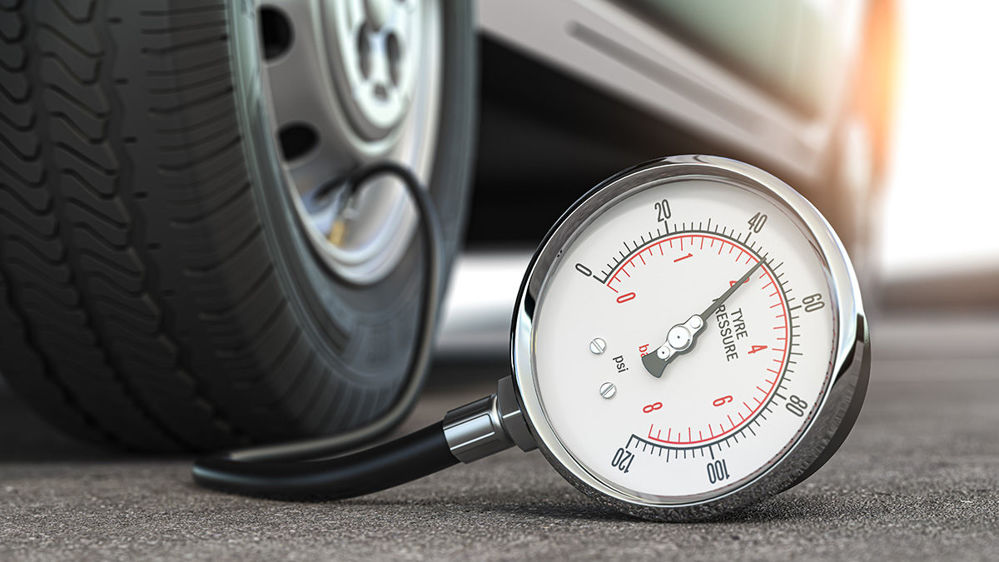
Use a Reliable Gauge
Avoid guessing by appearance.
A proper pressure gauge provides accurate measurement.
Check All Four Tyres
Do not only inspect the front tyres.
Also check:
- Rear tyres
- Spare tyre
- Valve condition
Correct Tyre Pressure for Different Driving Conditions
Vehicle manufacturers may recommend different pressures depending on load.
| Driving Condition | Pressure Consideration |
|---|---|
| Daily commuting | Standard recommended pressure |
| Long highway trips | Follow vehicle load recommendation |
| Full passenger load | Increase according to manufacturer guidance |
| Heavy cargo | Use specified heavy-load pressure |
Never exceed the tyre or vehicle limits.
Signs Your Tyre Pressure May Be Incorrect
Watch for these warning signs:
Uneven Tyre Wear
Incorrect pressure causes:
- Shoulder wear from underinflation
- Centre wear from overinflation
Poor Fuel Economy
Low pressure increases rolling resistance.
Heavy Steering
Underinflated front tyres can make steering feel heavier.
Poor Ride Quality
Overinflated tyres may create a harsh driving experience.
Correct Tyre Pressure and Fuel Economy
Maintaining the correct tyre pressure helps reduce rolling resistance.
When tyres are properly inflated:
- The engine works less.
- Fuel consumption improves.
- Tyre heat reduces.
- Vehicle efficiency increases.
For businesses operating multiple vehicles, proper tyre maintenance can significantly reduce running costs.
Fleet operators can improve vehicle monitoring through our fleet management solutions
How Tyre Pressure Affects Tyre Lifespan
Tyres operating at the wrong pressure wear faster.
Underinflation causes:
- Outer edge wear
- Sidewall stress
- Heat damage
Overinflation causes:
- Centre tread wear
- Reduced grip
Correct inflation promotes even tread wear.
Common Tyre Pressure Mistakes Drivers Make
Avoid these common errors:
Using the Maximum Pressure on the Tyre
The tyre sidewall number is not the recommended vehicle setting.
Checking Pressure After Driving
Hot tyres give inaccurate readings.
Ignoring the Spare Tyre
Emergency tyres also require maintenance.
Adjusting Pressure Without Considering Load
Heavy loads may require different pressure settings.
Professional Tyre Maintenance Checklist
A complete tyre check should include:
- Pressure inspection
- Tread depth measurement
- Sidewall inspection
- Wheel balancing
- Wheel alignment
- Valve inspection
If you are upgrading your vehicle safety setup, explore our:
- Dash camera solutions: dash-cameras
- Reverse camera systems: car-reverse-cameras
- Parking sensor solutions: car-parking-sensors
- Automotive accessories: car-accessories
Frequently Asked Questions
Where can I find the correct tyre pressure for my car?
The correct tyre pressure is usually found on the driver-side door placard, owner’s manual, or fuel door sticker.
Is the pressure written on the tyre the correct pressure?
No. The tyre sidewall usually shows the maximum pressure rating, not the vehicle manufacturer’s recommended setting.
How often should I check tyre pressure?
Check tyre pressure monthly and before long journeys.
Should front and rear tyres have the same pressure?
Not always. Many vehicles have different recommended pressures for front and rear tyres.
Does tyre pressure affect fuel consumption?
Yes. Incorrect pressure increases rolling resistance and can reduce fuel efficiency.
Conclusion
Maintaining the correct tyre pressure is one of the easiest and most affordable ways to improve vehicle safety, reduce fuel costs, and extend tyre lifespan. The right pressure is not found by reading the tyre sidewall alone—it comes from the vehicle manufacturer’s recommendations found on the door placard, owner’s manual, or official vehicle information.
Regular pressure checks help prevent uneven tyre wear, overheating, poor handling, and unnecessary tyre replacements. Whether you drive a private car, SUV, pickup, or commercial vehicle, proper tyre inflation is a simple habit that protects your investment and keeps your vehicle performing safely on Kenya’s roads.
Your Trusted Automotive Technology & Vehicle Security Partner in Kenya
Whether you’re securing a personal vehicle, managing a commercial fleet, or upgrading your vehicle with the latest automotive technology, Mufamo Automotives delivers reliable, high-quality solutions backed by professional installation and exceptional customer support. From GPS vehicle tracking and fleet management systems to car security, reverse cameras, parking sensors, dash cameras, and premium automotive accessories, we help keep your vehicles safer, smarter, and more efficient.
Contact our team today for expert advice, product recommendations, or a customized quotation.
WHY CHOOSE MUFAMO AUTOMOTIVES
✔ Professional Vehicle Security Solutions
✔ Advanced GPS Tracking & Fleet Management
✔ Genuine Automotive Accessories
✔ Expert Installation Services
✔ Wholesale & Business Partnership Opportunities
✔ Serving Nairobi, Mombasa, Eldoret, Busia, Uasin Gishu, Tiktac Kona, and beyond.
Contact Mufamo Automotives
Email: sales@mufamoautomotives.co.ke
Phone: +254 762 228 888
Branches
- Nairobi – Kumasi Road & Gilgil Road
- Eldoret – Uasin Gishu, Eldoret CBD
- Busia – Burumba
- Mombasa – Tiktac Kona
Website: https://mufamoautomotives.co.ke
Sales & Wholesale Enquiries
For pricing, stock availability, bulk purchases, reseller opportunities, and business partnerships, contact our sales team for competitive pricing and reliable supply solutions.
Request a Quote today and experience trusted automotive technology, vehicle security, and fleet management solutions from Mufamo Automotives.
