
Tyre Guides
How to Store Tyres: Complete Guide to Keep Rubber Fresh
Jul
Knowing how to store tyres properly is just as important as choosing the right tyres for your vehicle. Whether you’ve purchased a spare set for the next season, keep an emergency spare in your garage, or stock tyres for your business fleet, incorrect storage can shorten their lifespan before they ever touch the road.
Tyres are made from complex rubber compounds that naturally age over time. Exposure to sunlight, heat, ozone, moisture, petroleum products, and poor storage conditions accelerates this ageing process, causing the rubber to harden, crack, and lose its flexibility. Even a brand-new tyre can deteriorate prematurely if it is stored incorrectly for months or years.
Understanding how to store tyres helps preserve their performance, extend their service life, and ensure they remain safe when eventually fitted to your vehicle. Proper storage is particularly important in Kenya, where high temperatures, strong sunlight, and varying humidity levels can speed up tyre ageing if precautions are not taken.
Whether you are storing tyres for a private car in Nairobi, keeping spare tyres for a commercial fleet in Eldoret, or maintaining off-road tyres for agricultural vehicles in Meru, following the correct storage practices protects your investment and enhances road safety.
This comprehensive guide explains how to store tyres, the ideal storage environment, whether tyres should be stacked or stored upright, how to protect them from environmental damage, and the common mistakes to avoid.
If you manage multiple vehicles, our fleet management solutions can help simplify vehicle maintenance schedules and tyre replacement planning.
How to Store Tyres: Quick Answer
The best way how to store tyres is in a cool, dry, clean, and well-ventilated location away from direct sunlight, heat sources, electric motors, chemicals, oils, and ozone-producing equipment. Tyres mounted on rims should generally be stored horizontally or hung, while tyres without rims should be stored upright and rotated occasionally to prevent deformation.
Why Learning How to Store Tyres Matters
Understanding how to store tyres helps maintain their structural integrity and performance long before installation.
Proper tyre storage offers several advantages:
- Extends tyre lifespan
- Prevents rubber cracking
- Maintains tyre flexibility
- Reduces flat spotting
- Preserves tread quality
- Protects internal tyre construction
- Saves replacement costs
Even premium tyres can suffer permanent damage if stored in poor conditions.
How to Store Tyres Away from Sunlight
One of the most important rules in how to store tyres is protecting them from ultraviolet (UV) light.
Direct sunlight accelerates rubber ageing by breaking down the chemical compounds within the tyre.
Store tyres:
- Inside a garage
- In a warehouse
- In a covered storage room
- Away from windows receiving direct sunlight
If indoor storage is unavailable, use opaque tyre covers designed to block UV exposure.
How to Store Tyres in the Right Temperature
Temperature significantly affects tyre longevity.
The ideal storage environment should be:
- Cool
- Dry
- Stable
- Well ventilated
Avoid placing tyres near:
- Boilers
- Furnaces
- Water heaters
- Industrial machinery
- Hot roofs
Excessive heat accelerates oxidation and hardens rubber compounds.
How to Store Tyres Away from Ozone
Many drivers are unaware that ozone damages rubber.
Common ozone sources include:
- Electric motors
- Welders
- Battery chargers
- Industrial electrical equipment
- Air compressors
Long-term ozone exposure causes surface cracking and weakens tyre rubber.
How to Store Tyres Away from Chemicals
Petroleum products and chemicals degrade tyre compounds.
Never store tyres near:
- Engine oil
- Petrol
- Diesel
- Solvents
- Grease
- Paint thinners
- Cleaning chemicals
Rubber absorbs certain chemicals, causing permanent deterioration.
How to Store Tyres With Rims Installed
If tyres remain mounted on wheels:
Recommended storage methods include:
- Hanging vertically on suitable hooks
- Stacking horizontally
Avoid storing mounted tyres upright for extended periods because they may develop pressure points.
How to Store Tyres Without Rims
Tyres removed from rims require different storage.
Store them:
- Upright
- On clean flooring
- Slightly separated
- Rotated every few weeks
Do not stack unmounted tyres for long periods because the lower tyres may become distorted.
How to Store Tyres for Long-Term Storage
If storing tyres for several months:
Before storage:
- Wash thoroughly
- Remove stones from tread
- Dry completely
- Mark previous wheel positions
- Inspect for damage
During storage:
- Keep away from sunlight
- Maintain clean surroundings
- Avoid heavy loads on tyres
How to Store Tyres: Should You Use Tyre Bags?
Yes.
Tyre storage bags help protect tyres from:
- Dust
- Moisture
- UV light
- Dirt
For best results:
- Clean tyres first.
- Dry them completely.
- Seal each tyre individually.
How to Store Tyres: Storage Position Comparison
| Tyre Type | Recommended Position |
|---|---|
| Tyres on rims | Stack horizontally |
| Tyres on rims | Hang vertically |
| Tyres without rims | Store upright |
| Long-term storage | Rotate occasionally |
| Temporary storage | Either method if properly supported |
How to Store Tyres in Kenyan Conditions
Kenya’s climate presents several tyre storage challenges:
- High daytime temperatures
- Strong UV exposure
- Dust
- Seasonal humidity
- Coastal salt air in Mombasa
Drivers in Nairobi, Kisumu, Nakuru, Eldoret, Machakos, Nyeri, Meru, and other regions should prioritise indoor storage whenever possible.
How to Store Tyres for Fleet Operators
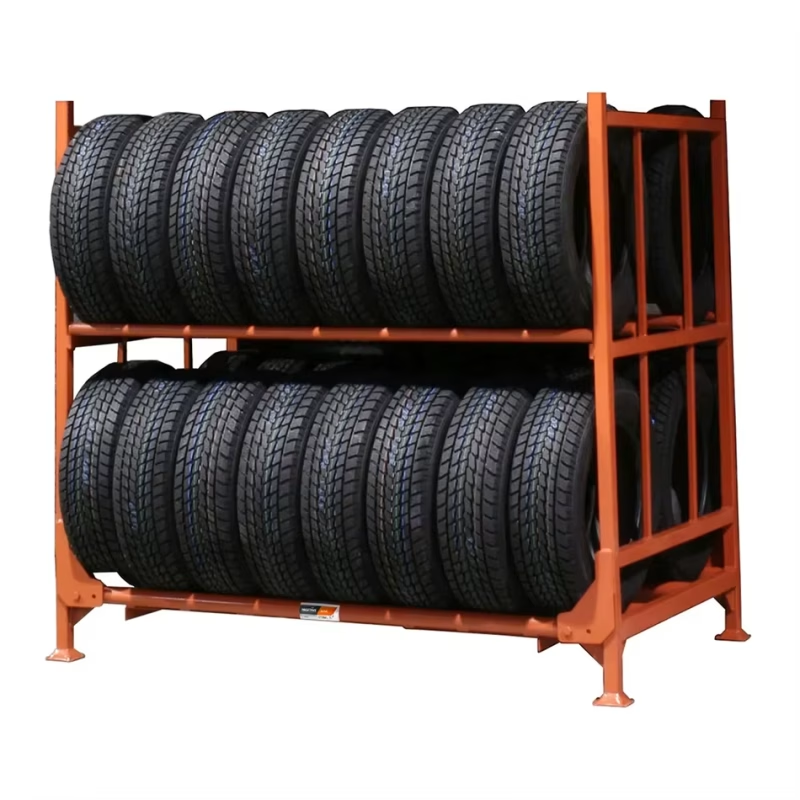
Fleet operators often store dozens or hundreds of tyres.
Good fleet storage practices include:
- Inventory rotation
- Date labelling
- Routine inspections
- Clean storage racks
- Temperature monitoring
- Damage reporting
Businesses can improve maintenance efficiency using our vehicle tracking solutions alongside professional GPS tracker installation services for smarter fleet management.
Common Mistakes When Learning How to Store Tyres
Avoid these common mistakes:
- Leaving tyres outside.
- Storing tyres beside generators.
- Placing tyres near fuel containers.
- Ignoring tyre age.
- Stacking unmounted tyres too high.
- Storing dirty tyres.
- Exposing tyres to direct sunlight.
These mistakes significantly shorten tyre life.
Inspect Tyres Before Reinstalling
Before fitting stored tyres:
Check for:
- Cracks
- Flat spots
- Bulges
- Tread damage
- Sidewall damage
- Valve condition
Inflate tyres to the manufacturer’s recommended pressure before driving.
Protect Your Vehicle Beyond Tyre Maintenance
Proper tyre storage is only one part of responsible vehicle ownership.
Mufamo Automotives also provides:
- Dash camera solutions
- Reverse camera systems
- Car alarm systems
- Vehicle security solutions
- Browse automotive accessories
These solutions improve vehicle safety, convenience, and security whether your vehicle is on the road or parked.
Frequently Asked Questions
How to store tyres for several months?
When learning how to store tyres, keep them in a cool, dry, shaded location away from sunlight, heat, chemicals, and ozone-producing equipment.
Should tyres be stored standing up or lying down?
Tyres without rims should be stored upright. Tyres mounted on rims may be stacked horizontally or hung safely.
Can tyres be stored outside?
Outdoor storage is not recommended because sunlight, rain, heat, and temperature fluctuations accelerate tyre ageing.
Do tyres expire while in storage?
Tyres naturally age even when unused, but correct storage greatly slows the ageing process.
Should I clean tyres before storing them?
Yes. Wash away dirt, brake dust, and road debris, then allow tyres to dry completely before storage.
Conclusion
Learning how to store tyres properly protects your investment and ensures your tyres remain safe and reliable when they are eventually fitted. By keeping tyres away from sunlight, heat, ozone, oils, and chemicals, and storing them in the correct position based on whether they are mounted or unmounted, you can significantly reduce premature ageing and preserve their performance.
Whether you are storing a spare tyre, maintaining a second set of seasonal tyres, or managing tyre inventory for a commercial fleet, following the correct storage practices helps maximise tyre life, improve safety, and reduce unnecessary replacement costs.
Your Trusted Automotive Technology & Vehicle Security Partner in Kenya
Whether you’re securing a personal vehicle, managing a commercial fleet, or upgrading your vehicle with the latest automotive technology, Mufamo Automotives delivers reliable, high-quality solutions backed by professional installation and exceptional customer support. From GPS vehicle tracking and fleet management systems to car security, reverse cameras, parking sensors, dash cameras, and premium automotive accessories, we help keep your vehicles safer, smarter, and more efficient.
Contact our team today for expert advice, product recommendations, or a customised quotation.
WHY CHOOSE MUFAMO AUTOMOTIVES
✔ Professional Vehicle Security Solutions
✔ Advanced GPS Tracking & Fleet Management
✔ Genuine Automotive Accessories
✔ Expert Installation Services
✔ Wholesale & Business Partnership Opportunities
✔ Serving Nairobi, Mombasa, Eldoret, Busia, Uasin Gishu, Burumba, Tiktac Kona, and throughout Kenya.
Contact Mufamo Automotives
Email: sales@mufamoautomotives.co.ke
Phone: +254 762 228 888
Branches
- Nairobi – Kumasi Road & Gilgil Road
- Eldoret – Uasin Gishu, Eldoret CBD
- Busia – Burumba
- Mombasa – Tiktac Kona
Website: https://mufamoautomotives.co.ke
Sales & Wholesale Enquiries
For pricing, stock availability, bulk purchases, reseller opportunities, and business partnerships, contact our sales team for competitive pricing and reliable supply solutions.
Request a Quote today and experience trusted automotive technology, vehicle security, and fleet management solutions from Mufamo Automotives.
