
Tyre Maintenance & Safety
Cracked Tyre Sidewall: Sun Damage, Age or Something Worse?
Jul
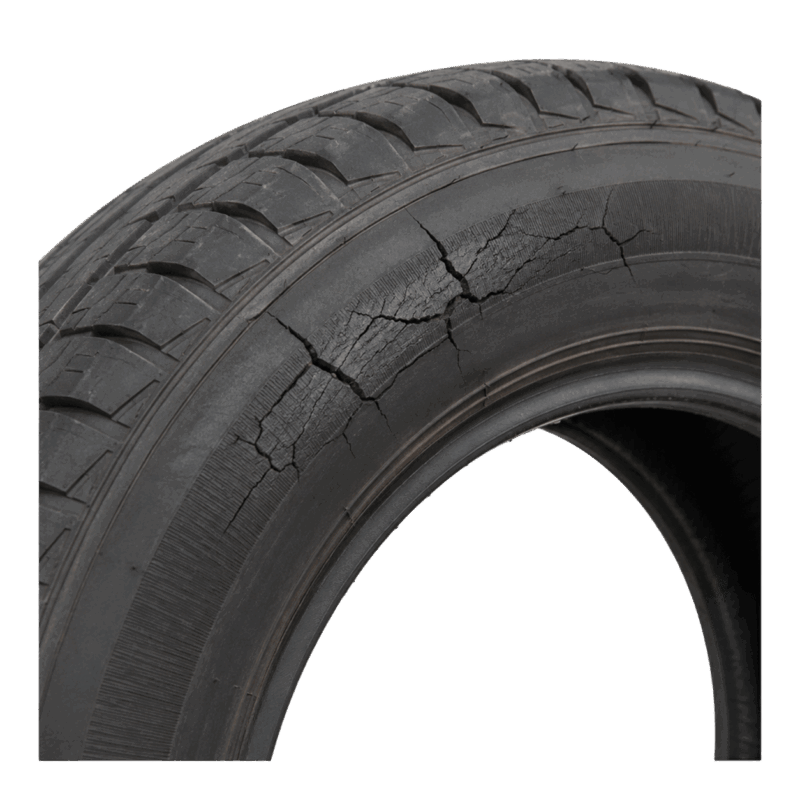
A cracked tyre sidewall is a warning sign that many drivers notice only during routine cleaning, servicing, or before a long journey. Small lines or surface marks may appear harmless, but they can indicate anything from normal ageing to deeper rubber deterioration that affects tyre strength and safety.
Understanding why a cracked tyre sidewall develops is important because the sidewall is one of the most sensitive parts of a tyre. Unlike the tread area, which is designed to contact the road and resist wear, the sidewall must flex continuously while protecting the internal tyre structure.
In Kenya, tyres are exposed to several conditions that accelerate ageing, including intense sunlight, high temperatures, rough roads, incorrect inflation, and long periods of vehicle storage. A vehicle regularly parked outdoors in Nairobi heat, driven on dusty rural roads, or operated in coastal humidity may experience faster rubber degradation.
Mufamo Automotives helps motorists improve vehicle safety with reliable automotive solutions, including vehicle security systems, dash camera solutions, and professional vehicle upgrades designed for safer driving conditions.
Cracked Tyre Sidewall: What It Means and Why It Happens
A cracked tyre sidewall occurs when the rubber compound loses flexibility and begins developing visible splits or lines. The damage may be caused by ageing, environmental exposure, poor maintenance, or excessive stress.
The tyre sidewall performs several important functions:
- Supports the vehicle load
- Absorbs road impacts
- Allows controlled tyre flexing
- Protects internal tyre components
- Maintains driving stability
Because the sidewall constantly bends during acceleration, braking, and cornering, damaged rubber can become weaker over time.
A cracked tyre sidewall does not always mean immediate tyre failure. Some shallow surface cracks are related to normal ageing, while deeper cracks may indicate that the tyre structure has been compromised.
The key factors to evaluate include:
- Crack depth
- Crack location
- Tyre age
- Overall tyre condition
- Driving environment
How a Cracked Tyre Sidewall Develops Over Time
A cracked tyre sidewall usually develops gradually as rubber compounds lose their protective oils and flexibility. Early detection helps prevent unexpected tyre problems.
Common causes include:
Natural Tyre Ageing
Rubber does not remain unchanged forever. As tyres age, the materials gradually become harder and less flexible.
Older tyres are more likely to show:
- Fine surface cracks
- Reduced elasticity
- Increased stiffness
- Greater sensitivity to impacts
A tyre that looks visually acceptable may still have reduced performance if it has been stored or used for many years.
Sun and UV Exposure
Strong sunlight is one of the biggest causes of rubber deterioration.
UV rays can:
- Break down rubber compounds
- Reduce flexibility
- Create surface cracking
- Accelerate tyre ageing
Vehicles parked outdoors for extended periods are more exposed to this problem.
Incorrect Tyre Pressure
Incorrect inflation places unnecessary stress on the sidewall.
Underinflation causes:
- Excessive sidewall flexing
- Heat build-up
- Faster rubber fatigue
Overinflation can increase impact stress because the tyre becomes less able to absorb bumps and road shocks.
Why a Cracked Tyre Sidewall Is Common on Ageing Tyres
Age is one of the most common reasons a cracked tyre sidewall appears. Even tyres with good tread depth can develop rubber deterioration over time.
Many drivers judge tyre condition only by tread depth, but tyre safety depends on more than tread.
A tyre may have:
- Adequate tread remaining
- Good appearance
- Few kilometres travelled
Yet still suffer from ageing-related cracking.
This is why regular inspection is essential, especially for:
- Spare tyres
- Vehicles used occasionally
- Imported used vehicles
- Cars parked outdoors
- Commercial vehicles operating long distances
A professional assessment can determine whether a cracked tyre sidewall is cosmetic ageing or a replacement requirement.
How UV Exposure Creates a Cracked Tyre Sidewall
UV exposure weakens tyre rubber by breaking down protective compounds, making a cracked tyre sidewall more likely over time.
Vehicles exposed to direct sunlight for long periods experience accelerated ageing.
Common examples include:
- Safari vehicles parked outside lodges
- Delivery vehicles left in open yards
- Commercial trucks parked without shade
- Personal vehicles parked outdoors daily
Drivers can reduce UV-related damage by:
- Parking under shade where possible
- Keeping tyres clean
- Avoiding unnecessary long-term outdoor storage
- Inspecting tyres regularly
While protective measures help, they cannot completely prevent ageing. All tyres eventually require replacement based on condition and service life.
Inspecting a Cracked Tyre Sidewall Before It Becomes Dangerous
Inspection helps determine whether a cracked tyre sidewall is a minor cosmetic issue or a serious safety concern requiring immediate attention.
Drivers should examine tyres regularly for:
- Visible cracks
- Cuts or tears
- Bulges
- Uneven wear
- Exposed internal materials
- Loss of tyre pressure
A visual inspection should include both the outside and inside sidewalls where possible.
How to Tell If a Cracked Tyre Sidewall Is Surface Damage or Serious
Not every cracked tyre sidewall requires immediate replacement, but deeper or spreading cracks should never be ignored.
Surface-level cracking often appears as:
- Small lines on the outer rubber
- Limited shallow marks
- No visible structural damage
More serious warning signs include:
- Deep cracks
- Cracks spreading around the sidewall
- Bulges near damaged areas
- Air pressure loss
- Damage close to the bead area
A tyre professional should inspect any cracked tyre sidewall where the damage appears deep or extensive.
Warning Signs That a Cracked Tyre Sidewall Needs Replacement
A cracked tyre sidewall should be replaced when the damage affects tyre strength, safety, or the ability to maintain reliable performance.
Replacement may be necessary when:
- Cracks are deep
- Rubber appears severely dried out
- The tyre loses pressure repeatedly
- Sidewall damage is accompanied by bulging
- The tyre has exceeded its recommended service age
Continuing to use a damaged tyre can increase the risk of sudden problems, especially during high-speed highway driving or heavy vehicle operation.
Cracked Tyre Sidewall Prevention: Simple Maintenance Practices
Preventing a cracked tyre sidewall requires regular inspections, correct inflation, and protection from unnecessary environmental damage.
Good tyre care includes:
- Checking tyre pressure monthly
- Rotating tyres when recommended
- Avoiding overloading
- Inspecting before long trips
- Maintaining proper wheel alignment
For drivers who rely on their vehicles daily, combining tyre maintenance with technology solutions such as GPS vehicle tracking solutions helps improve overall vehicle management and safety monitoring.
Your Trusted Automotive Technology & Vehicle Security Partner in Kenya
Whether you’re securing a personal vehicle, managing a commercial fleet, or upgrading your vehicle with the latest automotive technology, Mufamo Automotives delivers reliable, high-quality solutions backed by professional installation and exceptional customer support.
From GPS vehicle tracking and fleet management systems to car security, reverse cameras, parking sensors, dash cameras, and premium automotive accessories, we help keep your vehicles safer, smarter, and more efficient.
Contact our team today for expert advice, product recommendations, or a customised quotation.
Why Choose Mufamo Automotives?
- Professional Vehicle Security Solutions
- Advanced GPS Tracking & Fleet Management
- Genuine Automotive Accessories
- Expert Installation Services
- Wholesale & Business Partnership Opportunities
- Serving Nairobi, Mombasa, Eldoret, Busia, Uasin Gishu, Tiktac Kona, and customers across Kenya
Contact Mufamo Automotives
Email: sales@mufamoautomotives.co.ke
Phone: +254 762 228 888
Website: https://mufamoautomotives.co.ke
Visit Our Branches
Nairobi Branch
Kumasi Road & Gilgil Road
Eldoret Branch
Uasin Gishu, Eldoret CBD
Busia Branch
Burumba
Mombasa Branch
Tiktac Kona
Sales & Wholesale Enquiries
For pricing, stock availability, bulk purchases, reseller opportunities, fleet solutions, and business partnerships, contact our sales team for competitive pricing and reliable supply solutions.
Whether you need cracked tyre sidewall inspection advice, quality replacement tyres, vehicle security upgrades, GPS tracking solutions, or professional automotive accessories, Mufamo Automotives provides trusted solutions designed for Kenyan roads and driving conditions.
Request a quote today and experience trusted automotive technology, vehicle security, and fleet management solutions from Mufamo Automotives.
