
Tyres & Wheel Care
Driving Through Floodwater: What It Does to Your Tyres and Wheels
Jul
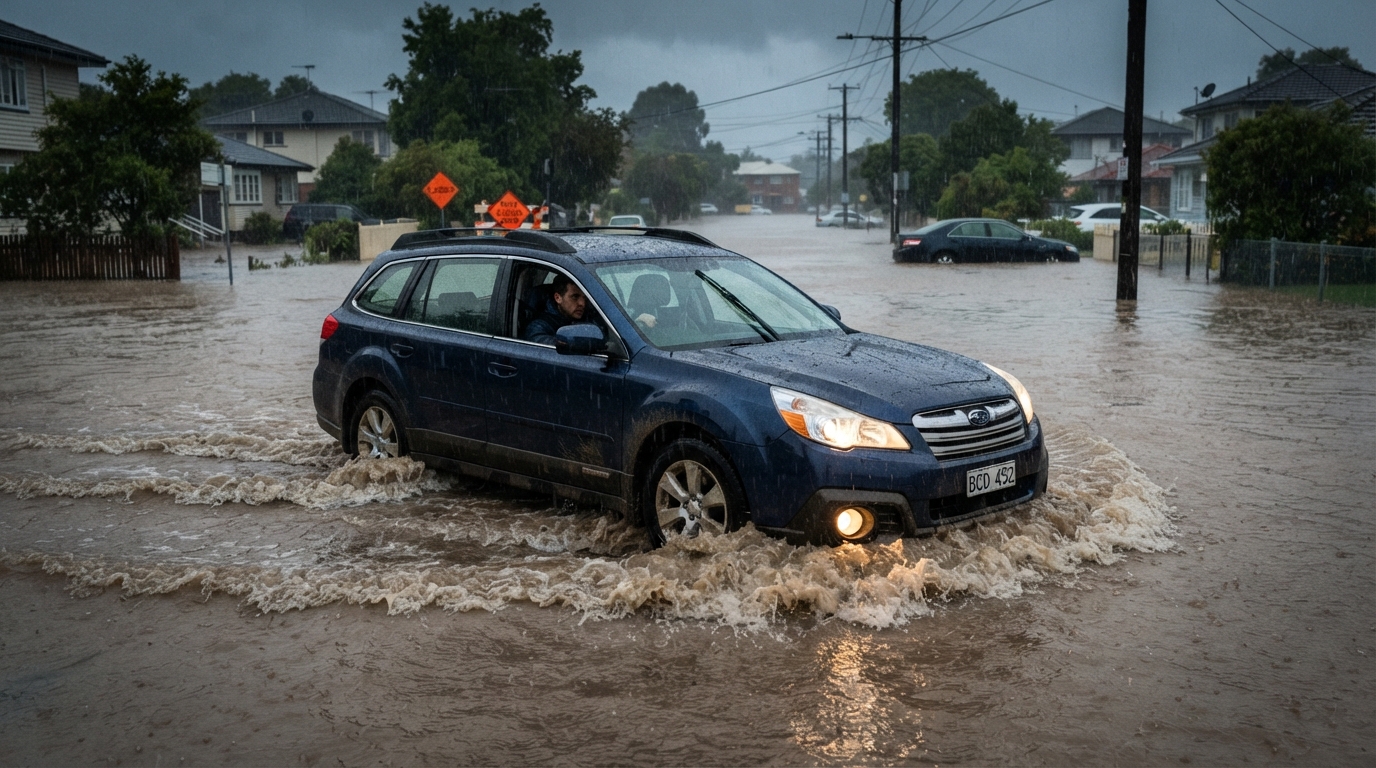
Flooded roads are an unfortunate reality during Kenya’s rainy seasons, affecting motorists in Nairobi, Mombasa, Kisumu, Nakuru, Eldoret, Thika, Machakos, and many other towns. While many drivers worry about engine damage, the hidden dangers of driving through floodwater often affect the tyres and wheels first. Water can conceal potholes, broken road surfaces, sharp debris, exposed drainage covers, and washed-away asphalt, all of which can cause immediate or long-term damage to your vehicle.
If you have recently been driving through floodwater, it is essential to inspect your tyres and wheels as soon as possible. Even when there are no obvious signs of damage, impacts sustained while driving through floodwater may weaken tyre sidewalls, bend alloy wheels, affect wheel alignment, or damage suspension components. Identifying these issues early can help you avoid costly repairs and improve your safety on the road.
Whether you own a family car, SUV, pickup, commercial van, taxi, or heavy-duty truck, understanding the risks of driving through floodwater can help you make better driving decisions and protect one of your most valuable investments. In addition to maintaining quality tyres, investing in reliable vehicle safety upgrades such as vehicle security systems and GPS vehicle tracking solutions can provide greater confidence when travelling across Kenya.
Why Driving Through Floodwater Can Damage Your Tyres and Wheels
Driving through floodwater exposes your tyres and wheels to hidden hazards that are impossible to see beneath the water’s surface. Potholes, loose rocks, construction debris, broken drainage covers, and road washouts can all cause significant damage within seconds.
Unlike dry roads where drivers can avoid obstacles, floodwater hides the true condition of the road. A shallow-looking puddle may actually conceal a deep pothole capable of damaging tyres, cracking alloy wheels, or knocking the suspension out of alignment.
Some of the most common risks associated with driving through floodwater include:
- Hidden potholes
- Sharp metal or glass debris
- Broken concrete and loose stones
- Bent alloy or steel wheels
- Sidewall cuts and tyre bulges
- Wheel alignment problems
- Suspension damage
- Premature tyre wear
- Reduced braking performance
These problems often become noticeable only after leaving the flooded area, when drivers experience steering vibration, uneven tyre wear, poor handling, or gradual tyre pressure loss.
If your vehicle regularly travels through flood-prone areas, it is worth exploring our automotive accessories and safety upgrades that help improve vehicle reliability under challenging road conditions.
How Driving Through Floodwater Hides Dangerous Road Hazards
One of the greatest dangers of driving through floodwater is the inability to see what lies beneath the water. Even experienced drivers cannot accurately judge road conditions once the surface has been submerged.
Floodwater commonly hides:
- Deep potholes
- Washed-away road edges
- Raised or displaced manhole covers
- Tree branches
- Construction materials
- Sharp metal fragments
- Large rocks
- Broken drainage structures
When a tyre strikes one of these obstacles, the force is transferred directly to the tyre, wheel, steering system, and suspension.
The result may include:
- Bent alloy wheels
- Cracked steel rims
- Sidewall damage
- Internal tyre belt separation
- Steering misalignment
- Suspension component wear
Drivers who frequently operate company vehicles, delivery vans, or commercial fleets can also benefit from fleet management solutions that help monitor vehicle movements during adverse weather and identify routes that should be avoided during heavy rainfall.
How Driving Through Floodwater Affects Tyre Performance
Driving through floodwater rarely damages tyres through water exposure alone. Instead, the hidden impacts and contaminants encountered beneath the water reduce tyre performance, shorten tyre lifespan, and increase safety risks.
Modern tyres are designed to absorb everyday road impacts, but repeated collisions with concealed hazards place tremendous stress on the tyre’s internal structure.
Common tyre damage includes:
Sidewall Bulges
A severe impact may break the internal cords while leaving the outside rubber largely intact. This creates a visible bulge that significantly weakens the tyre and increases the risk of sudden failure.
Tread Cuts
Sharp debris hidden beneath floodwater can slice through tread blocks, reducing grip and making punctures more likely.
Internal Belt Separation
Internal structural damage is often invisible during a casual inspection. Over time, damaged steel belts can separate, causing vibration, poor handling, and uneven tyre wear.
Slow Air Pressure Loss
A bent wheel or damaged bead seat may allow air to escape gradually, leaving tyres underinflated and reducing braking efficiency, fuel economy, and tyre life.
If you notice unusual handling after driving through floodwater, it is advisable to arrange a professional inspection and consider additional safety technologies such as dash camera solutions, which can provide valuable footage if road hazards contribute to an accident.
Signs Your Tyres Were Damaged After Driving Through Floodwater
Inspecting your vehicle after driving through floodwater can help identify problems before they become expensive repairs or serious safety hazards.
Look for these warning signs:
- Steering wheel vibration
- Vehicle pulling left or right
- Uneven tyre wear
- Low tyre pressure
- Visible cuts or bulges
- Bent or cracked wheels
- Knocking noises from the suspension
- Reduced braking performance
Drivers should never ignore these symptoms. Even minor impacts while driving through floodwater can compromise tyre integrity and reduce vehicle stability at higher speeds.
For complete driving confidence, consider complementing your vehicle with reverse camera systems and parking sensor installation services, which improve visibility when manoeuvring in poor weather or low-visibility conditions.
How to Inspect Tyres After Driving Through Floodwate
A simple inspection immediately after driving through floodwater can reveal early signs of tyre and wheel damage before they develop into more serious mechanical problems.
Carry out the following checks:
- Inspect each tyre for cuts, punctures, embedded objects, or sidewall bulges.
- Check alloy or steel wheels for cracks, dents, or bends.
- Remove accumulated mud or debris around the wheel assembly.
- Confirm tyre pressures match the manufacturer’s recommended specifications.
- Test the steering for vibration or pulling while driving at moderate speed.
- Listen for unusual suspension or wheel-bearing noises.
If your vehicle shows any of these symptoms after driving through floodwater, arrange a professional inspection before undertaking long journeys. Early diagnosis can prevent further tyre damage, improve safety, and reduce repair costs.
Conclusion: Stay Safe After Driving Through Floodwater
Driving through floodwater may seem unavoidable during Kenya’s rainy seasons, but it can have serious consequences for your tyres, wheels, suspension, and overall vehicle safety. Hidden potholes, sharp debris, and washed-out road surfaces can cause damage that isn’t always visible immediately. Taking the time to inspect your vehicle after driving through floodwater can help identify problems early, reducing the risk of tyre failure, poor handling, and expensive repairs.
Whether you drive a private vehicle, commercial van, pickup, SUV, or manage an entire fleet, regular tyre inspections and professional wheel assessments are essential after encountering flooded roads. Investing in preventive maintenance not only extends the lifespan of your tyres and wheels but also improves road safety for you, your passengers, and other road users.
If you frequently find yourself driving through floodwater, consider upgrading your vehicle with modern safety and monitoring technologies. Mufamo Automotives offers a comprehensive range of solutions, including GPS vehicle tracking solutions, vehicle security systems, dash camera solutions, reverse camera systems, parking sensor installation services, and genuine automotive accessories to help keep your vehicle safer and better prepared for challenging road conditions.
Your Trusted Automotive Technology & Vehicle Security Partner in Kenya
Whether you’re securing a personal vehicle, managing a commercial fleet, or upgrading your vehicle with the latest automotive technology, Mufamo Automotives delivers reliable, high-quality solutions backed by professional installation and exceptional customer support.
From GPS vehicle tracking and fleet management systems to car security, reverse cameras, parking sensors, dash cameras, and premium automotive accessories, we help keep your vehicles safer, smarter, and more efficient.
Contact our team today for expert advice, product recommendations, or a customized quotation.
Why Choose Mufamo Automotives?
- Professional Vehicle Security Solutions
- Advanced GPS Tracking & Fleet Management
- Genuine Automotive Accessories
- Expert Installation Services
- Wholesale & Business Partnership Opportunities
- Serving Nairobi, Mombasa, Eldoret, Busia, Uasin Gishu, Tiktac Kona, and the rest of Kenya
Contact Mufamo Automotives
Website: https://mufamoautomotives.co.ke
Email: sales@mufamoautomotives.co.ke
Phone: +254 762 228 888
Visit Our Branches
- Nairobi: Kumasi Road & Gilgil Road
- Eldoret: Uasin Gishu, Eldoret CBD
- Busia: Burumba
- Mombasa: Tiktac Kona
Need expert advice or a customised solution? Visit our Contact Us page or Request a Quote today
