
Vehicle Maintenance & Safety
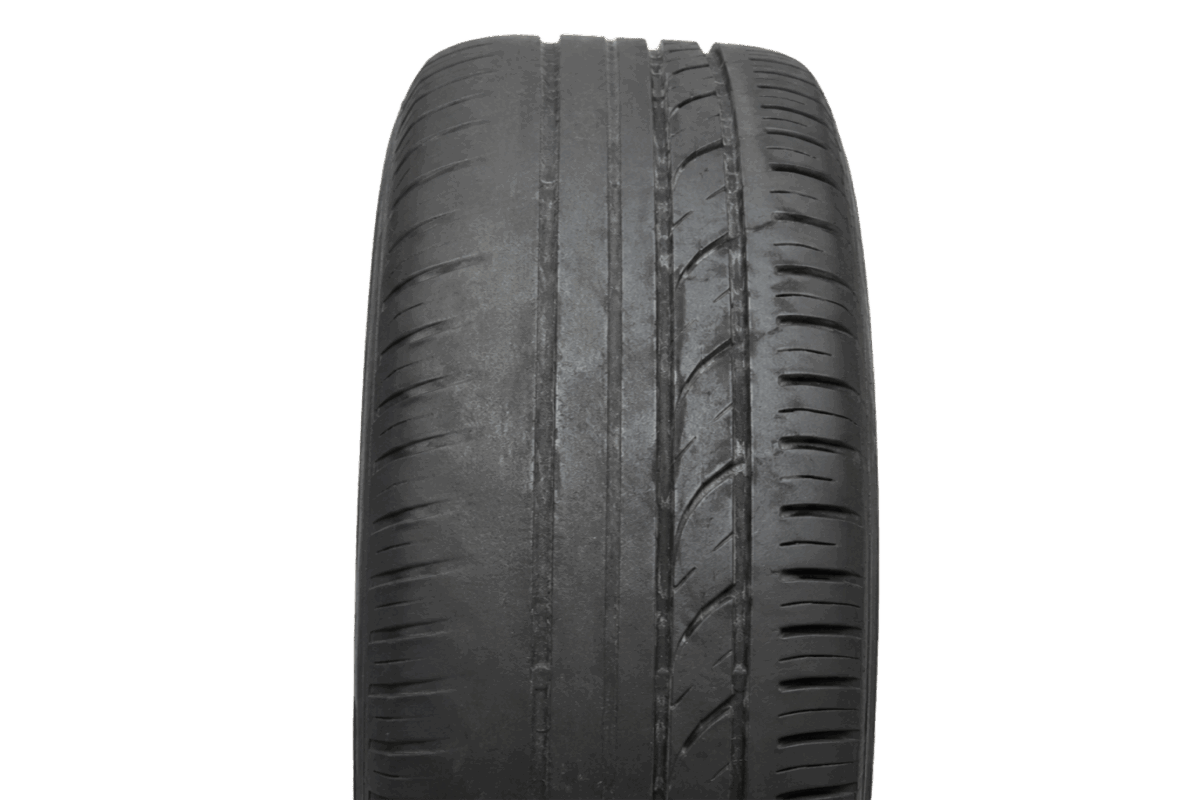
Tyre Feathering: Tread Blocks Sharp One Way, Smooth the Other
Jul
Understanding Tyre Feathering and What It Reveals About Your Vehicle
Your vehicle’s tyres are one of the most important safety components connecting your car to the road. While many drivers focus on tyre pressure, punctures, tread depth, and replacement schedules, the wear pattern on the tread surface can reveal deeper mechanical problems affecting handling, comfort, and tyre lifespan.
One of the most common but often misunderstood wear patterns is tyre feathering.
Tyre feathering occurs when the tread blocks become sharp on one edge and smooth on the opposite edge. When you run your hand across the tyre surface in one direction, the tread feels smooth, but when you move your hand in the opposite direction, the tread feels rough or sharp. This unusual pattern is a strong indicator that the tyre is not meeting the road surface evenly.
In many cases, tyre feathering points toward incorrect wheel alignment, especially toe-angle problems. However, it can also be influenced by worn suspension components, incorrect tyre pressure, driving conditions, or delayed maintenance.
For drivers in Kenya, where vehicles regularly operate on a mixture of highways, urban roads, rough surfaces, and uneven terrain, identifying early signs of tyre wear is essential. A small alignment issue can gradually reduce tyre life, affect fuel efficiency, and compromise vehicle stability.
At Mufamo Automotives, understanding vehicle behaviour goes beyond replacing parts. Proper diagnosis helps drivers identify the actual cause of a problem. Whether you need professional advice on vehicle maintenance, security upgrades, or automotive solutions, you can explore more about our automotive expertise and services designed to support modern vehicle owners.
This guide explains what causes tyre feathering, how to identify it, why it happens, how to fix it, and how regular maintenance can prevent expensive tyre damage.
What Is Tyre Feathering?
Tyre feathering is a type of uneven tyre wear where individual tread blocks develop a raised edge on one side and a smoother, lower edge on the other side.
A properly aligned vehicle should allow the tyre tread to contact the road evenly. Each tread block should wear down consistently across its surface. When alignment angles are incorrect, the tyre may drag slightly across the road instead of rolling smoothly. This creates a repeated scrubbing effect that gradually shapes the tread blocks.
The result is a feather-like pattern across the tyre surface.
How Tyre Feathering Feels on the Tread
A simple hand inspection can reveal this wear pattern:
- Run your palm across the tyre tread in one direction.
- Reverse the direction and feel the tread again.
- If the tread feels smooth in one direction but sharp or rough in the other direction, the tyre may have feathering.
Many technicians describe this sensation as similar to the surface of a comb or a saw edge. The raised edges of the tread blocks catch your hand when moved against their direction of wear.
This test does not replace professional inspection, but it provides an early warning that your vehicle may require attention.
Why Does Tyre Feathering Happen?
Common Causes of Tyre Feathering in Vehicles
The main cause of tyre feathering is usually an incorrect wheel alignment setting, particularly incorrect toe alignment.
Wheel alignment controls how the tyres sit relative to each other and the road. When alignment angles are outside manufacturer specifications, tyres can experience uneven forces while driving.
The most common causes include:
Incorrect Toe Alignment
Toe alignment describes whether the front edges of the tyres point slightly inward or outward when viewed from above.
There are two main conditions:
Toe-in:
The front edges of the tyres point slightly toward each other.
Toe-out:
The front edges of the tyres point slightly away from each other.
Both conditions can create abnormal tread movement. Excessive toe settings cause the tyre to scrub sideways across the road, producing the sharp-and-smooth tread pattern associated with tyre feathering.
Worn Suspension Components
Suspension components maintain correct wheel positioning while the vehicle moves. Parts such as:
- Ball joints
- Tie rods
- Control arm bushes
- Wheel bearings
- Shock absorbers
can affect alignment if they become worn.
A vehicle may receive a wheel alignment adjustment, but if a suspension component has excessive movement, the alignment settings may quickly change again.
Incorrect Tyre Pressure
Although tyre pressure is not usually the primary cause of feathering, incorrect inflation can contribute to uneven wear patterns.
Underinflated tyres may create excessive shoulder wear, while overinflated tyres can reduce the tyre’s contact area with the road.
Maintaining the correct tyre pressure helps ensure that alignment adjustments remain effective.
Aggressive Driving Conditions
Driving habits can accelerate uneven wear.
Frequent:
- Hard cornering
- Sudden braking
- Rapid acceleration
- Driving over potholes
can place additional stress on tyres and suspension components.
Kenyan roads present additional challenges, especially in areas where vehicles experience rough surfaces, road construction zones, and frequent speed bumps.
Tyre Feathering as an Early Warning Sign of Alignment Problems
How Tyre Feathering Indicates Wheel Alignment Issues
Many drivers wait until tyres become visibly damaged before seeking assistance. However, tyre feathering often appears before serious tyre deterioration occurs.
A tyre may still have acceptable tread depth but already show evidence of alignment problems.
This is why professional technicians inspect wear patterns rather than only measuring tread depth.
Common alignment-related warning signs include:
| Warning Sign | Possible Cause |
|---|---|
| Sharp tread edges | Tyre feathering from toe problems |
| Vehicle pulling left or right | Incorrect alignment angles |
| Uneven inner tyre wear | Camber or suspension issues |
| Steering wheel not centred | Alignment adjustment required |
| Vibrations while driving | Wheel balance or suspension concerns |
| Reduced tyre lifespan | Poor maintenance or alignment |
Correct diagnosis prevents replacing tyres repeatedly without solving the underlying mechanical issue.
How To Check for Tyre Feathering at Home
The Hand Test for Tyre Feathering Detection
One of the easiest ways to identify tyre feathering is through a manual tread inspection.
Follow these steps:
Step 1: Park Safely
Park the vehicle on a flat surface and switch off the engine. Ensure the tyres are cool before inspection.
Step 2: Examine the Tread Pattern
Look closely at the tyre blocks. Feathering often appears as a repeated pattern where one side of each tread block is higher or sharper.
Step 3: Perform the Hand Test
Place your hand on the tread surface and move it:
- Forward across the tread
- Backward across the tread
If one direction feels smooth and the opposite direction feels sharp, the tyre may have feathering.
Step 4: Inspect All Four Tyres
Do not check only the front tyres. Rear tyres can also develop uneven wear depending on the vehicle design and suspension condition.
Step 5: Seek Professional Diagnosis
A hand test identifies a possible issue, but proper diagnosis requires wheel alignment equipment and suspension inspection.
For drivers looking for professional vehicle maintenance solutions, Mufamo Automotives provides expert automotive support and can help identify related vehicle concerns before they become costly repairs.
Mufamo Automotives Contacts
Email: sales@mufamoautomotives.co.ke
Phone: +254 762 228 888
Branches:
- Nairobi – Kumasi Road & Gilgil Road
- Eldoret – Uasin Gishu, Eldoret CBD
- Busia – Burumba
- Mombasa – Tiktac Kona
Website: https://mufamoautomotives.co.ke
For vehicle security solutions, GPS tracking, fleet management systems, automotive accessories, dash cameras, reverse cameras, parking sensors, and professional installations, contact Mufamo Automotives for expert assistance.
