
Tyre Guides
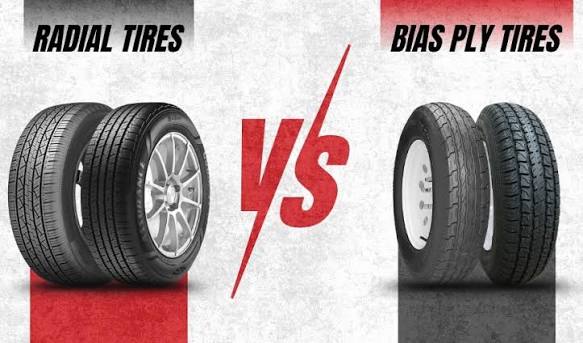
Best Radial vs Bias-Ply Tyres Guide | What the R Means
Jul
When reading a tyre size such as 195/65R15, many drivers understand the numbers but overlook the letter in the middle. The R represents one of the most important developments in tyre technology: radial construction.
Understanding the difference between radial vs bias-ply tyres helps vehicle owners make better decisions when replacing tyres, upgrading performance, or selecting tyres for specific driving conditions. Tyre construction affects heat management, durability, fuel efficiency, ride comfort, handling, and load-carrying ability.
Modern passenger vehicles, SUVs, and many commercial vehicles use radial tyres because of their superior performance and efficiency. However, bias-ply tyres still have applications in specialised industries where strength, rigidity, or specific operating conditions are required.
Whether you drive through Nairobi, Mombasa, Eldoret, Kisumu, Nakuru, or rural Kenyan roads, understanding radial vs bias-ply tyres helps you choose the correct tyre technology for your vehicle.
At Mufamo Automotives, we help drivers select quality automotive products suited to their needs. You can also explore our range of genuine automotive accessories and professional vehicle solutions designed for modern motorists.
What Does the R Mean in 195/65R15?
In a tyre size like:
195/65R15
The letter R means:
Radial construction
Breaking down the full tyre code:
| Marking | Meaning |
|---|---|
| 195 | Tyre width in millimetres |
| 65 | Aspect ratio |
| R | Radial construction |
| 15 | Rim diameter |
The “R” tells you how the internal layers of the tyre are arranged.
This is where the difference between radial vs bias-ply tyres begins.
What Are Radial Tyres?
Radial tyres are the most common tyre type used today.
They were developed to improve tyre performance by changing the internal construction method. In a radial tyre, the internal cords run across the tyre from one bead to the other at approximately 90 degrees to the direction of travel.
This design allows the sidewall and tread area to function more independently.
Benefits of Radial Tyres
Radial tyres provide:
- Better fuel efficiency
- Longer tread life
- Improved road grip
- Lower heat buildup
- Better ride comfort
- Improved handling
- Reduced rolling resistance
For most passenger vehicles, radial tyres provide the best balance between performance, safety, and economy.
What Are Bias-Ply Tyres?
Bias-ply tyres use an older construction method where the internal cords cross diagonally from bead to bead.
The overlapping layers create a stronger and stiffer tyre structure.
Although less common on modern passenger cars, bias-ply tyres are still used in certain applications, including:
- Agricultural equipment
- Vintage vehicles
- Some industrial machines
- Specialised off-road equipment
The construction gives them excellent sidewall strength but changes how the tyre performs on modern roads.
Radial vs Bias-Ply Tyres: Key Differences
| Feature | Radial Tyres | Bias-Ply Tyres |
|---|---|---|
| Internal Construction | Cords run radially | Cords cross diagonally |
| Heat Management | Excellent | Lower |
| Fuel Efficiency | Better | Lower |
| Ride Comfort | Better | Firmer |
| Tread Life | Longer | Shorter |
| Handling | Improved | Less precise |
| Sidewall Strength | Flexible | Very stiff |
| Modern Vehicle Use | Very common | Limited |
Heat Performance: Radial vs Bias-Ply Tyres
One of the biggest advantages in the radial vs bias-ply tyres comparison is heat management.
Tyres generate heat through:
- Road contact
- Sidewall movement
- Internal friction
- High-speed operation
Radial tyres allow the sidewall to flex while keeping the tread area stable. This reduces internal friction and improves cooling.
Bias-ply tyres have more overlapping layers, which can generate more heat during extended driving.
For highway driving, long-distance transport, and everyday vehicles, radial tyres usually provide better heat control.
Tread Life Comparison
Tyre durability is another major difference between radial and bias construction.
Radial Tyres
Advantages:
- More even tread wear
- Larger contact patch
- Reduced deformation
- Longer service life
Bias-Ply Tyres
Advantages:
- Strong structure
- Resistant to certain types of impact damage
However, they generally experience faster tread wear during regular road use.
Handling and Steering Response
Modern drivers expect predictable handling, especially at highway speeds.
Radial tyres offer:
- Better cornering stability
- Improved steering response
- More consistent road contact
- Better wet-weather performance
Bias-ply tyres have a stiffer construction, which can reduce steering precision.
This makes radial tyres the preferred choice for most passenger vehicles.
Ride Comfort Differences
The construction of a tyre directly affects how the vehicle absorbs road imperfections.
Radial tyres allow controlled sidewall flex, helping absorb:
- Small bumps
- Road vibrations
- Uneven surfaces
Bias-ply tyres have stiffer sidewalls, creating a firmer ride.
For Kenyan roads where drivers encounter speed bumps, rough surfaces, and potholes, radial tyres usually provide greater comfort.
Load Carrying Capacity: Radial vs Bias-Ply Tyres
Both tyre types can carry heavy loads, but they handle the load differently.
Radial tyres distribute pressure more efficiently across the tread area.
Benefits include:
- Better stability under load
- Lower heat generation
- Improved fuel efficiency
Bias-ply tyres provide excellent structural strength and may still be suitable for specialised heavy-duty applications.
Commercial operators should always choose tyres according to manufacturer specifications and operating conditions.
Businesses managing multiple vehicles can also benefit from our fleet management solutions to improve maintenance tracking and vehicle efficiency.
Are All Modern Car Radial vs bias-ply tyres?
Almost all modern passenger vehicles use radial tyres.
Common vehicles fitted with radial tyres include:
- Toyota models
- Nissan vehicles
- Honda vehicles
- Subaru vehicles
- Mazda vehicles
- Volkswagen vehicles
- SUVs and crossovers
If you see a tyre marking such as:
- 185/65R15
- 195/65R15
- 205/55R16
The “R” confirms it is a radial tyre.
Why Manufacturers Prefer Radial vs bias-ply tyres
Vehicle manufacturers choose radial tyres because they offer advantages across multiple performance areas.
Better Safety
Improved grip and handling help drivers maintain control.
Better Economy
Lower rolling resistance improves fuel efficiency.
Better Durability
Longer tread life reduces replacement frequency.
Better Comfort
Flexible sidewalls create a smoother driving experience.
Can You Replace Bias-Ply Tyres With Radial Tyres?
In many cases, yes, but compatibility must be checked.
Before changing tyre construction, consider:
- Vehicle design
- Wheel specifications
- Intended usage
- Manufacturer recommendations
Mixing Radial vs bias-ply tyres on the same vehicle is generally not recommended because they behave differently.
If you need expert advice, you can contact our automotive specialists before purchasing replacement tyres.
Radial vs Bias-Ply Tyres for Kenyan Roads
Kenya has a wide range of driving conditions:
- Urban traffic
- Highway travel
- Rural roads
- Heavy commercial routes
For most motorists, radial tyres are the preferred option because they provide:
- Better comfort
- Lower fuel consumption
- Improved handling
- Longer service life
However, specialised vehicles may still require bias-ply tyres depending on their application.
Tyre Installation Best Practices
Choosing Radial vs bias-ply tyres is only part of proper tyre care.
Professional installation should include:
- Correct tyre mounting
- Wheel balancing
- Wheel alignment
- Proper inflation
- Valve inspection
For additional vehicle safety upgrades, explore our reverse camera systems, our parking sensor solutions, and our dash camera solutions.
Tyre Maintenance Tips
Regardless of tyre construction, proper maintenance improves safety and lifespan.
Follow these practices:
- Check tyre pressure regularly.
- Inspect for uneven wear.
- Rotate tyres according to schedule.
- Avoid overloading.
- Replace damaged tyres early.
Fleet owners can also browse our fleet technology solutions to improve vehicle monitoring and maintenance planning.
Frequently Asked Questions
What does the R mean in 195/65R15?
The R means the tyre uses radial construction, where internal cords are arranged radially from bead to bead.
Which is better between radial vs bias-ply tyres?
For most modern cars, SUVs, and commercial vehicles, radial tyres provide better overall performance, comfort, efficiency, and durability.
Are Radial vs bias-ply tyres still used today?
Yes. They are still used for specialised applications such as agricultural equipment, vintage vehicles, and certain industrial uses.
Can I mix Radial vs bias-ply tyres?
Mixing the two types is generally not recommended because they have different handling characteristics.
How long do radial tyres last?
The lifespan depends on driving habits, road conditions, maintenance, and tyre quality, but properly maintained radial tyres generally provide long service life.
Conclusion
Understanding radial vs bias-ply tyres helps you appreciate what the “R” in a tyre size such as 195/65R15 really means. Radial construction has become the industry standard because it delivers better fuel efficiency, improved handling, longer tread life, and greater driving comfort.
While bias-ply tyres still have specialised uses, most modern vehicles perform best with radial tyres designed according to manufacturer specifications.
When choosing new tyres, consider more than just size and price. The construction type, load rating, speed rating, and intended driving conditions all affect performance and safety.
Mufamo Automotives helps Kenyan drivers choose the right automotive products with professional guidance and reliable solutions.
Your Trusted Automotive Technology & Vehicle Security Partner in Kenya
Whether you’re securing a personal vehicle, managing a commercial fleet, or upgrading your vehicle with the latest automotive technology, Mufamo Automotives delivers reliable, high-quality solutions backed by professional installation and exceptional customer support. From GPS vehicle tracking and fleet management systems to car security, reverse cameras, parking sensors, dash cameras, and premium automotive accessories, we help keep your vehicles safer, smarter, and more efficient.
Contact our team today for expert advice, product recommendations, or a customized quotation.
WHY CHOOSE MUFAMO AUTOMOTIVES
✔ Professional Vehicle Security Solutions
✔ Advanced GPS Tracking & Fleet Management
✔ Genuine Automotive Accessories
✔ Expert Installation Services
✔ Wholesale & Business Partnership Opportunities
✔ Serving Nairobi, Mombasa, Eldoret, Busia, Uasin Gishu, Tiktac Kona, and beyond.
Contact Mufamo Automotives
Email: sales@mufamoautomotives.co.ke
Phone: +254 762 228 888
Branches
- Nairobi – Kumasi Road & Gilgil Road
- Eldoret – Uasin Gishu, Eldoret CBD
- Busia – Burumba
- Mombasa – Tiktac Kona
Website: https://mufamoautomotives.co.ke
Sales & Wholesale Enquiries
For pricing, stock availability, bulk purchases, reseller opportunities, and business partnerships, contact our sales team for competitive pricing and reliable supply solutions.
Request a Quote today and experience trusted automotive technology, vehicle security, and fleet management solutions from Mufamo Automotives.
