
Tyre Guides
Best Tyre Aspect Ratio Explained | The Complete Middle Number Guide
Jul
When shopping for new tyres, most drivers focus on the tyre brand, tread pattern, or price. However, one of the most important numbers on your tyre sidewall is the tyre aspect ratio. This often-overlooked figure plays a major role in determining your vehicle’s ride comfort, handling, fuel efficiency, braking performance, and resistance to pothole damage.
The tyre aspect ratio is the middle number in a tyre size such as 195/65R15 or 205/55R16. While it may appear to be just another measurement, it actually describes the relationship between the tyre’s height and width. Choosing the correct tyre aspect ratio helps maintain your vehicle manufacturer’s intended performance while improving safety and driving comfort on Kenya’s diverse road conditions.
Whether you drive through Nairobi’s busy streets, travel the Mombasa Highway, or navigate rough roads in Eldoret, Busia, Meru, or Nyeri, understanding the tyre aspect ratio can help you make smarter tyre-buying decisions.
Alongside quality tyres, Mufamo Automotives offers vehicle security solutions, GPS vehicle tracking, and premium automotive accessories designed to keep your vehicle safe and performing at its best.
What Is a Tyre Aspect Ratio?
The tyre aspect ratio is the percentage that compares a tyre’s sidewall height to its width.
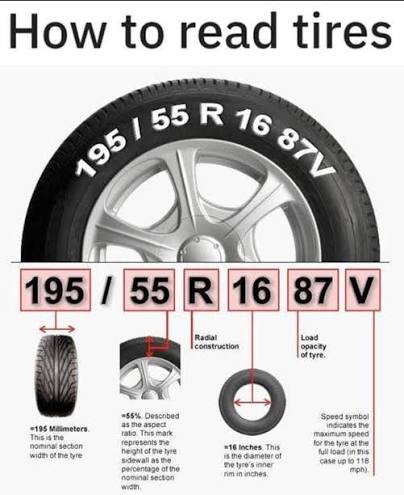
For example, in the tyre size:
195/65R15
- 195 = Tyre width (195 mm)
- 65 = Tyre aspect ratio
- R = Radial construction
- 15 = Wheel rim diameter
In this example, the sidewall height is 65% of the tyre’s width.
This percentage determines how tall or short the tyre sidewall is, which directly influences ride quality, steering response, and overall vehicle dynamics.
How to Calculate Tyre Aspect Ratio
Understanding the tyre aspect ratio becomes easier with a simple calculation.
For a 195/65R15 tyre:
- Width = 195 mm
- Aspect Ratio = 65%
Calculation:
195 × 0.65 = 126.75 mm
The tyre sidewall height is approximately 127 mm.
Similarly, a 205/55R16 tyre has:
205 × 0.55 = 112.75 mm
Even though the second tyre is wider, its lower aspect ratio results in a shorter sidewall.
Why the Tyre Aspect Ratio Matters
The tyre aspect ratio affects almost every aspect of your driving experience.
1. Ride Comfort
A higher tyre aspect ratio means a taller sidewall, allowing the tyre to absorb bumps, potholes, and uneven road surfaces more effectively.
Benefits include:
- Smoother ride quality
- Reduced road vibrations
- Better shock absorption
- Improved passenger comfort
This makes higher-profile tyres a practical choice for many Kenyan roads.
2. Vehicle Handling
Lower-profile tyres have shorter sidewalls, which flex less during cornering.
Advantages include:
- Faster steering response
- Better cornering stability
- Improved road feel
- Increased precision at higher speeds
However, they can also produce a firmer ride.
3. Pothole Resistance
One of the biggest advantages of a higher tyre aspect ratio is better protection against pothole damage.
A taller sidewall cushions impacts, reducing the risk of:
- Bent rims
- Sidewall damage
- Tyre blowouts
This is particularly important on roads with uneven surfaces or frequent potholes.
4. Fuel Efficiency
The tyre aspect ratio can also influence rolling resistance.
While many factors affect fuel economy, tyres with the correct aspect ratio help maintain the balance intended by the vehicle manufacturer.
Using the recommended tyre size also helps prevent unnecessary strain on the engine and suspension.
High Profile vs Low Profile Tyres
Understanding the difference between high-profile and low-profile tyres helps drivers choose the right option for their needs.
| Feature | High Profile Tyres | Low Profile Tyres |
|---|---|---|
| Ride Comfort | Excellent | Moderate |
| Cornering | Good | Excellent |
| Steering Response | Moderate | Sharp |
| Pothole Resistance | Excellent | Lower |
| Road Noise | Lower | Slightly Higher |
| Rim Protection | Better | Less |
High-profile tyres are generally preferred for everyday driving, while low-profile tyres are often chosen for performance-oriented vehicles.
Common Tyre Aspect Ratios Explained
Some of the most common tyre aspect ratios include:
- 75 – Common on SUVs and commercial vehicles for maximum comfort and load capacity.
- 70 – Often used on pickups and utility vehicles.
- 65 – Popular on family sedans and passenger cars.
- 60 – Offers a balance of comfort and handling.
- 55 – Common on modern passenger vehicles with improved cornering.
- 50 and below – Typically found on sports and performance vehicles.
Each tyre aspect ratio is selected to suit the vehicle’s intended use and driving characteristics.
How Tyre Aspect Ratio Affects Braking
The tyre aspect ratio influences braking performance by affecting the tyre’s contact with the road.
Lower-profile tyres generally provide:
- Better steering precision
- More direct braking response
Higher-profile tyres offer:
- Better grip on uneven surfaces
- More consistent contact over rough roads
Choosing the manufacturer’s recommended tyre aspect ratio ensures optimal braking performance.
Tyre Aspect Ratio and Suspension Performance
Your vehicle’s suspension system is designed around a specific tyre size and aspect ratio.
Changing the tyre aspect ratio without considering the overall tyre diameter can affect:
- Suspension geometry
- Steering alignment
- Ride height
- Vehicle stability
Always consult your vehicle manufacturer’s recommendations before changing tyre sizes.
Choosing the Right Tyre Aspect Ratio in Kenya
Kenyan road conditions vary significantly, making tyre selection an important decision.
Urban Driving
If you primarily drive in cities such as Nairobi or Mombasa, a moderate tyre aspect ratio provides a good balance of comfort and handling.
Highway Travel
Drivers covering long distances benefit from tyres that offer stability, reduced road noise, and good fuel efficiency.
Rural Roads
Higher-profile tyres are often better suited to rough roads because they provide greater cushioning and improved resistance to pothole damage.
Common Mistakes When Choosing Tyre Aspect Ratio
Many motorists make avoidable mistakes when replacing tyres.
These include:
- Choosing tyres based only on appearance
- Installing lower-profile tyres without checking compatibility
- Ignoring load and speed ratings
- Mixing different tyre sizes on the same axle
Professional advice helps ensure the correct tyre aspect ratio is selected for your vehicle.
If you’re unsure, contact our automotive specialists for expert recommendations.
Professional Tyre Installation
Correct installation is just as important as selecting the right tyre.
A professional installation should include:
- Wheel balancing
- Wheel alignment
- Tyre pressure adjustment
- Valve inspection
- Torque testing
While upgrading your tyres, you can also explore our reverse camera systems, our parking sensor solutions, and our dash camera solutions to improve safety and convenience.
Tyre Maintenance Tips
To maximise tyre life and performance:
- Check tyre pressure regularly.
- Rotate tyres every 8,000–10,000 km.
- Inspect tread wear.
- Perform wheel alignment as needed.
- Avoid overloading your vehicle.
Fleet operators can also browse our fleet management systems to monitor vehicle maintenance schedules and reduce operating costs.
Frequently Asked Questions
What is a tyre aspect ratio?
The tyre aspect ratio is the percentage that compares the tyre’s sidewall height to its width.
Where is the tyre aspect ratio located?
It is the middle number in the tyre size. For example, in 195/65R15, the tyre aspect ratio is 65.
Does tyre aspect ratio affect comfort?
Yes. Higher aspect ratios generally provide a smoother and more comfortable ride.
Are low-profile tyres better?
Low-profile tyres offer sharper handling but usually provide a firmer ride and less protection against potholes.
Can I change my tyre aspect ratio?
You should only change tyre sizes if the alternative size is approved for your vehicle.
Conclusion
The tyre aspect ratio is much more than just the middle number on your tyre sidewall. It influences ride comfort, steering response, braking performance, fuel economy, and protection against potholes. Understanding the correct tyre aspect ratio helps you choose tyres that match your vehicle’s design and deliver the performance you expect.
Whether you’re replacing tyres on a family car, SUV, or commercial vehicle, selecting the correct tyre aspect ratio ensures safer driving, better handling, and longer tyre life. If you need expert advice on choosing the right tyres or related automotive solutions, the team at Mufamo Automotives is ready to help.
Your Trusted Automotive Technology & Vehicle Security Partner in Kenya
Whether you’re securing a personal vehicle, managing a commercial fleet, or upgrading your vehicle with the latest automotive technology, Mufamo Automotives delivers reliable, high-quality solutions backed by professional installation and exceptional customer support. From GPS vehicle tracking and fleet management systems to car security, reverse cameras, parking sensors, dash cameras, and premium automotive accessories, we help keep your vehicles safer, smarter, and more efficient.
Contact our team today for expert advice, product recommendations, or a customized quotation.
WHY CHOOSE MUFAMO AUTOMOTIVES
✔ Professional Vehicle Security Solutions
✔ Advanced GPS Tracking & Fleet Management
✔ Genuine Automotive Accessories
✔ Expert Installation Services
✔ Wholesale & Business Partnership Opportunities
✔ Serving Nairobi, Mombasa, Eldoret, Busia, Uasin Gishu, Tiktac Kona, and beyond.
Contact Mufamo Automotives
Email: sales@mufamoautomotives.co.ke
Phone: +254 762 228 888
Branches
- Nairobi – Kumasi Road & Gilgil Road
- Eldoret – Uasin Gishu, Eldoret CBD
- Busia – Burumba
- Mombasa – Tiktac Kona
Website: https://mufamoautomotives.co.ke
