
Tyre Maintenance & Vehicle Safety
TPMS Warning Light On? What Your Car Is Actually Telling You
Jul
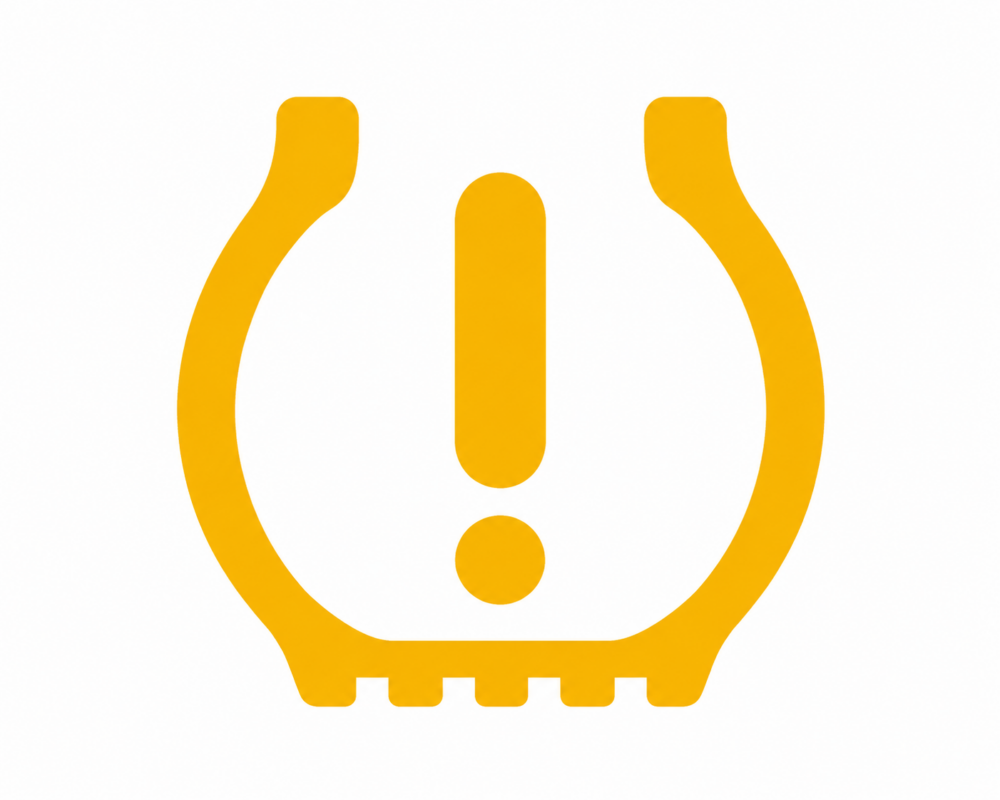
A dashboard warning can appear at the most unexpected time, and the TPMS warning light is one that many drivers misunderstand. Some assume it only means a flat tyre, while others ignore it completely when the vehicle still feels normal.
The truth is that the TPMS warning light is your vehicle’s way of communicating that something needs attention in the tyre pressure monitoring system. It may indicate low tyre pressure, a damaged sensor, temperature-related pressure changes, or a system fault.
Driving with incorrect tyre pressure affects more than comfort. It can influence braking performance, fuel consumption, tyre wear, and overall safety.
For Kenyan drivers dealing with potholes, changing temperatures, long-distance travel, and busy urban roads, understanding this warning can prevent unnecessary tyre damage and unexpected breakdowns.
Mufamo Automotives helps drivers improve vehicle safety with automotive solutions such as GPS vehicle tracking systems and vehicle security systems while providing expert guidance on tyre-related concerns.
TPMS Warning Light: Understanding What Your Car Is Detecting
The TPMS warning light monitors tyre pressure and alerts drivers when pressure falls outside the recommended range.
The tyre pressure monitoring system uses sensors to measure pressure inside each tyre. When the system detects a problem, it sends information to the vehicle’s computer, which activates the warning symbol on the dashboard.
The warning may appear because of:
- Low tyre pressure
- Uneven tyre pressure between wheels
- Faulty pressure sensors
- Sensor battery failure
- Temperature changes
- Recent tyre replacement without sensor reset
The warning system exists to help drivers identify problems before they become serious.
Why the TPMS Warning Light Comes On
The TPMS warning light usually appears because one or more tyres are below the recommended pressure level.
Low pressure is one of the most common causes.
A tyre can lose pressure because of:
- Small punctures
- Valve leaks
- Natural air loss over time
- Damaged rims
- Temperature changes
Even a small pressure drop can affect tyre performance.
Low-pressure tyres may experience:
- Increased rolling resistance
- Higher fuel consumption
- Faster shoulder wear
- Poor handling
- Increased heat buildup
Checking tyre pressure regularly helps prevent unnecessary problems.
How Cold Weather Can Trigger the TPMS Warning Ligh
Temperature changes can activate the TPMS warning light because tyre pressure naturally decreases in colder conditions.
Air pressure changes with temperature. During colder mornings, tyres may show lower pressure than normal.
This is common when:
- The vehicle is parked overnight
- Driving conditions change between regions
- Temperatures drop at higher elevations
Drivers in Kenya’s highland areas may notice pressure warnings during colder mornings.
However, a temperature-related warning should not automatically be ignored. The tyres should still be inspected to confirm they are properly inflated.
TPMS Warning Light: Low Pressure vs Sensor Problems
Not every TPMS warning light means the tyre itself is damaged because the sensor system can also develop faults.
Understanding the difference helps avoid unnecessary repairs.
Signs of Low Tyre Pressure
You may notice:
- Warning appears while driving
- Vehicle feels less stable
- Steering feels heavier
- One tyre looks visibly lower
Signs of a TPMS Sensor Problem
You may notice:
- Warning remains after correct inflation
- Light flashes before staying on
- No pressure information displays
- Warning appears after tyre replacement
A professional inspection can identify whether the issue is related to pressure or the monitoring system.
What Happens If You Ignore the TPMS Warning Light?
Ignoring the TPMS warning light can lead to increased tyre wear, reduced efficiency, and possible safety risks.
Driving with incorrect pressure may cause:
- Uneven tread wear
- Reduced braking performance
- Poor fuel economy
- Tyre overheating
- Shorter tyre lifespan
Many tyre problems start as small pressure issues that could have been corrected early.
TPMS Warning Light After Changing Tyres: Why It Happens
A TPMS warning light may appear after tyre replacement if sensors are not correctly recognised or reset.
When installing new tyres, technicians may need to:
- Transfer existing sensors
- Program new sensors
- Reset the vehicle system
- Check sensor communication
This is why tyre replacement should be handled by experienced professionals.
Incorrect installation can result in warning lights remaining active even when tyre pressure is correct.
TPMS Warning Light: How to Check Your Tyres Before Driving
When the TPMS warning light appears, drivers should perform basic checks before continuing their journey.
Follow these steps:
1. Check All Tyre Pressures
Use a reliable pressure gauge and compare readings with the vehicle manufacturer’s recommendation.
2. Inspect for Visible Damage
Look for:
- Punctures
- Cuts
- Bulges
- Objects stuck in the tread
3. Check the Spare Tyre
Some vehicles monitor spare tyre pressure, while others do not. A properly maintained spare is important during emergencies.
4. Reset the System if Required
After correcting pressure, some vehicles need a TPMS reset procedure.
How Correct Tyre Pressure Protects Against TPMS Warning Light Issues
Maintaining correct tyre pressure reduces unnecessary warnings and improves overall vehicle performance.
Proper inflation helps:
- Extend tyre life
- Improve fuel efficiency
- Maintain handling
- Reduce uneven wear
Drivers should check tyre pressure:
- Before long trips
- After major temperature changes
- During routine servicing
Why Regular Tyre Maintenance Matters in Kenya
Kenyan roads expose vehicles to conditions that can affect tyres and sensors.
Common challenges include:
- Potholes
- Rough surfaces
- Long-distance driving
- Temperature changes
- Heavy vehicle loads
Regular tyre inspections help identify issues before they trigger warnings or cause failures.
Conclusion: Never Ignore the TPMS Warning Light
The TPMS warning light is an important safety alert that helps drivers identify tyre pressure problems before they become dangerous. While low tyre pressure is the most common cause, the warning can also indicate sensor issues, temperature-related pressure changes, or a fault within the tyre pressure monitoring system.
Ignoring the warning may lead to uneven tyre wear, increased fuel consumption, reduced handling, and unnecessary tyre damage. A quick pressure check and professional inspection can often prevent bigger problems and keep your vehicle operating safely.
For Kenyan drivers facing potholes, long journeys, changing weather conditions, and demanding road environments, maintaining correct tyre pressure is essential. Regular tyre checks, proper inflation, and timely sensor servicing help ensure your vehicle remains reliable.
Whether your TPMS warning light has appeared suddenly or you need advice on tyre maintenance, Mufamo Automotives can help you diagnose the issue and find the right solution.
Contact Mufamo Automotives
For professional assistance with TPMS warning light issues, tyre pressure checks, tyre maintenance, sensor-related concerns, and automotive solutions, contact Mufamo Automotives.
Our team helps drivers and fleet operators maintain safer vehicles through reliable tyre advice, automotive technology solutions, and professional support.
Why Choose Mufamo Automotives?
- Expert tyre inspection and maintenance advice
- TPMS and tyre pressure support
- Quality tyre solutions
- Fleet vehicle support
- GPS tracking and vehicle monitoring systems
- Vehicle security installations
- Professional automotive services
- Reliable after-sales support
Contact Details
Email: sales@mufamoautomotives.co.ke
Phone: +254 762 228 888
Website: https://mufamoautomotives.co.ke
Visit Our Branches
Nairobi Branch
Kumasi Road & Gilgil Road
Eldoret Branch
Uasin Gishu, Eldoret CBD
Busia Branch
Burumba
Mombasa Branch
Tiktac Kona
Get Your TPMS Warning Light Checked Today
If your TPMS warning light stays on after checking tyre pressure, speak with Mufamo Automotives for professional diagnosis and support.
Keep your tyres properly maintained, protect your vehicle, and drive with confidence on Kenya’s roads.
