
Fleet Tyres & Commercial Vehicle Maintenance
Retread vs New Tyres for Fleets: Where Retreads Actually Make Sense
Jul
Fleet operators constantly search for ways to reduce running costs while maintaining safety and reliability. Tyres are one of the biggest expenses for transport companies because commercial vehicles cover thousands of kilometres while carrying heavy loads.
This makes the decision of retread vs new tyres an important part of fleet management.
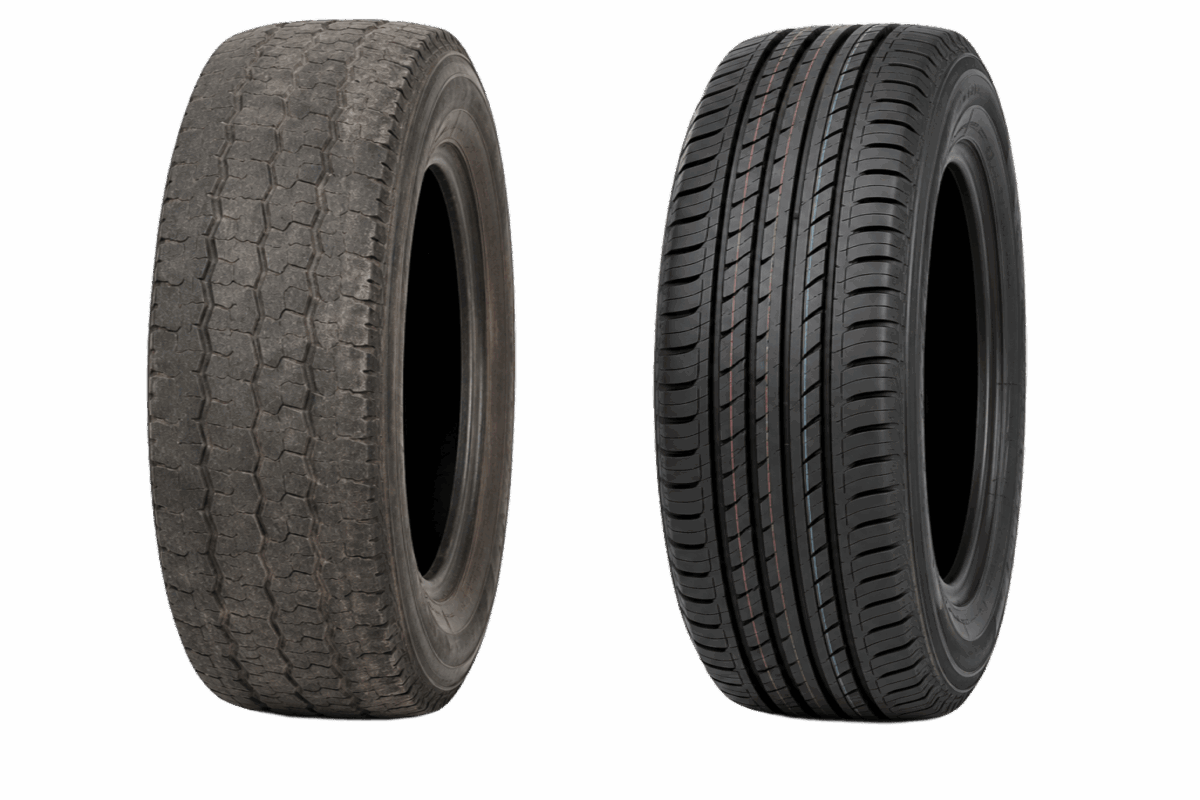
Some operators prefer new tyres because they provide maximum confidence and predictable performance. Others consider retreads because they can extend tyre life and reduce replacement costs when the original casing is suitable for reuse.
The truth is that there is no single answer for every fleet. The correct choice depends on tyre condition, vehicle application, axle position, operating environment, and maintenance practices.
For Kenyan transport companies operating on routes such as Nairobi–Mombasa, Nairobi–Kisumu, and the Northern Corridor, understanding retread vs new tyres helps improve cost control while protecting drivers, cargo, and vehicles.
A complete fleet safety strategy should also include technology solutions such as GPS vehicle tracking systems and vehicle security systems to monitor vehicles, improve accountability, and reduce operational risks.
Retread vs New Tyres: Understanding the Real Fleet Cost Decision
The choice between retread vs new tyres should be based on total operating cost rather than only the purchase price. Fleet managers must consider tyre lifespan, reliability, maintenance needs, and downtime.
Many businesses focus only on the initial tyre cost, but commercial tyre expenses involve much more.
A tyre that fails early can create additional costs through:
- Vehicle downtime
- Emergency replacements
- Delayed deliveries
- Increased maintenance expenses
- Reduced fleet efficiency
When comparing retread vs new tyres, fleet managers should evaluate:
- Cost per kilometre
- Expected tyre lifespan
- Road conditions
- Load requirements
- Vehicle usage
- Maintenance history
A strong tyre management programme can help fleets make better decisions and avoid unnecessary expenses.
How Retread vs New Tyres Affects Fleet Operating Expenses
Retread vs new tyres affects fleet profitability because tyres influence fuel efficiency, maintenance schedules, and vehicle availability.
Commercial vehicles operate under demanding conditions. Heavy loads, long distances, heat, and rough roads all contribute to tyre wear.
Retreads can provide savings when:
- The original casing is strong.
- The tyre has been properly maintained.
- The retreading process follows quality standards.
- The application is suitable.
However, choosing poor-quality tyres or unsuitable retreads may increase costs instead of reducing them.
Fleet operators should also consider supporting vehicle safety equipment such as dash cameras to improve driver monitoring and reduce accident risks.
Why Retread vs New Tyres Depends on Tyre Casing Quality
The casing determines whether a tyre is suitable for retreading. A strong casing can support another service life, while damaged casings should be replaced.
Before a tyre is approved for retreading, specialists inspect:
- Internal structure
- Sidewall condition
- Previous repairs
- Heat damage
- Uneven wear
- Impact damage
A tyre that has suffered severe overheating, overloading, or poor maintenance may not be suitable.
This is why professional inspection is essential before deciding between retread vs new tyres.
Common Misconceptions About Retread vs New Tyres
Many motorists and fleet operators assume retread tyres are always inferior to new tyres. However, properly manufactured retreads can provide reliable performance when used in the correct applications.
The quality depends on:
- Casing selection
- Manufacturing process
- Inspection standards
- Vehicle application
- Maintenance practices
The real question in the retread vs new tyres discussion is whether the tyre matches the job requirements.
When Retread vs New Tyres Is the Smarter Fleet Choice
The smartest choice in the retread vs new tyres decision depends on vehicle use, axle position, and operating conditions.
Retreads may work well for:
- Trailer axles
- Regional delivery trucks
- Controlled fleet operations
- Lower-speed applications
New tyres are often preferred for:
- Steering axles
- Heavy-load applications
- High-speed highway trucks
- Critical transport operations
A combination strategy is often the most practical approach for large fleets.
Retread vs New Tyres: Choosing the Right Axle Application
Different axles experience different forces, meaning the best choice in the retread vs new tyres comparison may change depending on tyre position.
Commercial vehicles place different demands on each axle.
Why Retread vs New Tyres Matters on Steering Axles
Steering axles require maximum control, making tyre selection extremely important.
Front tyres control:
- Steering response
- Direction changes
- Vehicle stability
- Driver confidence
Many fleet operators prefer premium new tyres on steering axles because predictable handling is critical.
A tyre issue at the steering axle can affect vehicle control more than failures elsewhere.
Retread vs New Tyres for Drive Axles and Heavy Loads
Drive axles experience high levels of stress because they transfer engine power while supporting heavy loads.
Drive tyres handle:
- Acceleration forces
- Torque delivery
- Heavy cargo
- Long-distance travel
Quality retreads can perform well in suitable drive axle applications when properly selected and maintained.
Fleet operators should consider:
- Average route distance
- Road quality
- Vehicle weight
- Driver habits
- Inspection frequency
Retread vs New Tyres for Trailer Axles
Trailer axles can be suitable applications for retread tyres because they experience different stresses compared with steering positions.
Benefits may include:
- Lower operating costs
- Better tyre utilisation
- Reduced waste
- Improved fleet economics
However, regular inspection remains necessary.
How Fleet Managers Should Evaluate Retread vs New Tyres
Before choosing between retread vs new tyres, fleet managers should review:
- Vehicle category
- Mileage requirements
- Load patterns
- Route conditions
- Maintenance records
- Previous tyre performance
Combining good tyre management with technology solutions such as parking sensors and reverse camera systems can further improve fleet safety.
Conclusion
The decision of retread vs new tyres should never be based on price alone. The correct choice depends on casing quality, vehicle application, axle position, and operating conditions.
Retreads can provide excellent value for suitable fleet applications, while new tyres remain the preferred choice where maximum reliability and performance are required.
By creating a balanced tyre strategy and combining it with proper maintenance and vehicle safety technology, fleet operators can reduce costs while keeping vehicles productive and safe.
Contact Mufamo Automotives
For expert advice on fleet solutions, vehicle safety technology, and automotive upgrades, contact Mufamo Automotives.
Whether you need guidance on tyre management, GPS tracking, vehicle security, dash cameras, or fleet accessories, our team is ready to help.
Contact Details
Email: sales@mufamoautomotives.co.ke
Phone: +254 762 228 888
Website: https://mufamoautomotives.co.ke
Visit Our Branches
Nairobi Branch
Kumasi Road & Gilgil Road
Eldoret Branch
Uasin Gishu, Eldoret CBD
Busia Branch
Burumba
Mombasa Branch
Tiktac Kona
Get professional automotive solutions, expert installation, and dependable support from Mufamo Automotives.
