
Tyre Guides
Nitrogen vs Air in Tyres: Complete Guide – Is It Really Worth It?
Jul
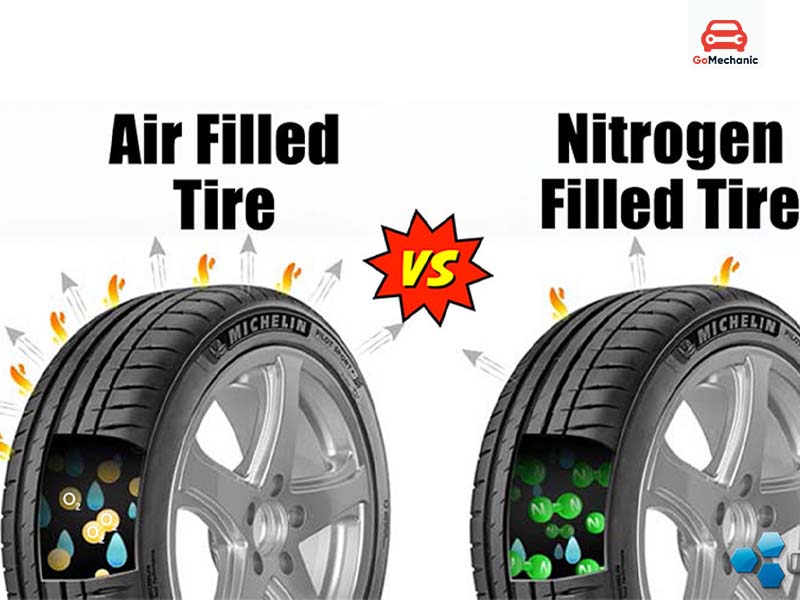
The debate over nitrogen vs air in tyres has become increasingly common at tyre shops, service stations, and vehicle service centres across Kenya. Many drivers are offered nitrogen inflation with promises of longer tyre life, better fuel economy, improved handling, and fewer pressure checks. But is it genuinely worth paying extra, or is it simply clever marketing?
The truth lies somewhere between the two extremes. Nitrogen does offer measurable benefits under certain driving conditions, particularly for commercial fleets, performance vehicles, and vehicles that cover long highway distances. However, for many everyday motorists, regularly checking tyre pressure with ordinary compressed air provides almost the same real-world safety benefits at little or no extra cost.
Understanding nitrogen vs air in tyres helps you make an informed decision rather than relying on advertising claims. The choice depends on how you drive, the type of vehicle you own, your maintenance habits, and the conditions your tyres experience.
Whether you commute daily through Nairobi traffic, operate a fleet travelling between Mombasa and Kisumu, or regularly drive long distances across Kenya, maintaining the correct tyre pressure remains far more important than the type of gas inside the tyre.
This guide explains nitrogen vs air in tyres, how each works, the genuine advantages and disadvantages, common myths, costs, and whether nitrogen inflation is the right investment for your vehicle.
For businesses managing multiple vehicles, Mufamo Automotives also offers professional fleet management solutions that help improve vehicle maintenance scheduling and tyre management.
Nitrogen vs Air in Tyres: Quick Answer
When comparing nitrogen vs air in tyres, nitrogen offers slower pressure loss, contains less moisture, and provides more stable tyre pressures during extreme temperature changes. However, for most passenger vehicles, maintaining the correct tyre pressure with ordinary compressed air is more important than using nitrogen.
If you check your tyre pressures regularly, the practical difference between nitrogen vs air in tyres is relatively small for everyday driving.
What Is Nitrogen Tyre Inflation?
To understand nitrogen vs air in tyres, it helps to know what is actually inside your tyres.
Normal compressed air already contains approximately:
- 78% nitrogen
- 21% oxygen
- Small amounts of carbon dioxide
- Water vapour
- Other gases
Nitrogen tyre inflation replaces this mixture with almost pure nitrogen, typically around 95–99%.
The aim is to reduce oxygen and moisture inside the tyre, helping maintain more stable pressure over time.
Nitrogen vs Air in Tyres: How Ordinary Air Works
Compressed air has successfully inflated vehicle tyres for decades.
Modern compressed air provides:
- Reliable performance
- Easy availability
- Low cost
- Quick inflation anywhere
For the vast majority of motorists, compressed air performs exceptionally well provided tyre pressures are checked regularly.
Nitrogen vs Air in Tyres: Why Nitrogen Loses Pressure More Slowly
One of the biggest advantages of nitrogen vs air in tyres is slower pressure loss.
Nitrogen molecules are slightly larger than oxygen molecules.
As a result:
- Nitrogen escapes more slowly.
- Tyres maintain pressure longer.
- Pressure changes occur more gradually.
Although the difference exists, it develops over weeks and months rather than days.
Nitrogen vs Air in Tyres: Heat and Temperature Changes
Heat is a major factor affecting tyre pressure.
When tyres warm up during driving:
- Internal pressure increases.
- Air expands.
- Tyre temperatures rise.
Nitrogen contains less moisture, so pressure changes tend to be slightly more stable under extreme temperatures.
This advantage is especially useful for:
- Heavy commercial vehicles
- Motorsport
- High-speed highway driving
- Long-distance freight transport
Nitrogen vs Air in Tyres: Moisture Inside the Tyre
Moisture is another difference in the nitrogen vs air in tyres discussion.
Compressed air may contain water vapour depending on the compressor.
Excess moisture can contribute to:
- Internal corrosion
- Slight pressure fluctuations
- Wheel corrosion over long periods
Nitrogen inflation systems remove most of this moisture before filling the tyre.
Nitrogen vs Air in Tyres: Fuel Economy
Some advertisements suggest nitrogen significantly improves fuel economy.
The reality is more balanced.
Nitrogen itself does not improve fuel economy.
Instead:
- Correct tyre pressure reduces rolling resistance.
- Reduced rolling resistance improves fuel efficiency.
Whether using nitrogen or air, maintaining the correct pressure produces the greatest benefit.
Nitrogen vs Air in Tyres: Tyre Life
Can nitrogen extend tyre life?
Yes—but indirectly.
Properly inflated tyres experience:
- More even tread wear
- Lower operating temperatures
- Reduced sidewall stress
However, these same benefits occur when air-filled tyres are maintained at the correct pressure.
Nitrogen vs Air in Tyres: Comparison Table
| Feature | Nitrogen | Compressed Air |
|---|---|---|
| Pressure retention | Excellent | Very good |
| Availability | Limited | Everywhere |
| Cost | Higher | Low or free |
| Moisture content | Very low | Higher |
| Suitable for fleets | Excellent | Good |
| Suitable for daily driving | Very good | Excellent |
| Emergency top-ups | Harder | Easy |
Nitrogen vs Air in Tyres for Kenyan Roads
Kenyan motorists experience:
- Long highway journeys
- Heavy traffic
- High daytime temperatures
- Potholes
- Gravel roads
For everyday driving between Nairobi, Nakuru, Kisumu, Eldoret, Machakos, Meru, and Mombasa, regular tyre inspections remain more important than choosing nitrogen over air.
Who Benefits Most from Nitrogen?
The nitrogen vs air in tyres debate favours nitrogen for:
- Commercial fleets
- Logistics companies
- Heavy trucks
- Emergency response vehicles
- High-mileage drivers
- Performance vehicles
Businesses can further improve vehicle efficiency with our vehicle tracking solutions and professional GPS tracker installation services.
Who Can Simply Use Air?
Most drivers can confidently use compressed air if they:
- Check pressures monthly.
- Inspect tyres before long trips.
- Rotate tyres regularly.
- Repair punctures promptly.
- Replace worn tyres.
Common Myths About Nitrogen Tyres
Myth 1: Nitrogen Prevents Blowouts
No.
Incorrect pressure, overload, impact damage, and poor tyre condition remain the primary causes of tyre failure.
Myth 2: Nitrogen Never Needs Pressure Checks
False.
Even nitrogen-filled tyres gradually lose pressure.
Myth 3: Nitrogen Improves Grip
Grip depends on:
- Tyre design
- Tread condition
- Correct pressure
- Road conditions
The gas itself does not create additional grip.
Tyre Maintenance Matters More Than Inflation Gas
Whether using nitrogen or compressed air:
Always:
- Check tyre pressure monthly.
- Inspect tread depth.
- Rotate tyres.
- Balance wheels.
- Check wheel alignment.
- Replace damaged tyres.
For complete vehicle protection, Mufamo Automotives also offers:
- Dash camera solutions
- Reverse camera systems
- Car alarm systems
- Vehicle security solutions
- Browse automotive accessories
Frequently Asked Questions
Is nitrogen better than air for tyres?
When comparing nitrogen vs air in tyres, nitrogen retains pressure slightly longer and contains less moisture, but both work well when tyres are properly maintained.
Can I mix nitrogen with ordinary air?
Yes. Adding air reduces nitrogen purity but does not damage the tyre.
Do nitrogen tyres improve fuel economy?
Only indirectly by helping maintain correct tyre pressure for longer.
Is nitrogen worth paying for?
For fleets, commercial vehicles, and high-mileage drivers, it may offer worthwhile benefits. For most everyday motorists, regular pressure checks provide similar safety advantages.
How often should I check nitrogen tyre pressure?
At least once every month and before every long journey.
Conclusion
The discussion around nitrogen vs air in tyres often generates strong opinions, but the facts are straightforward. Nitrogen does offer genuine advantages, including slower pressure loss, lower moisture content, and improved pressure stability under demanding conditions. These benefits are particularly valuable for commercial fleets, performance vehicles, and drivers who regularly cover long distances.
However, for most private motorists, the biggest factor in tyre safety is not the type of gas inside the tyre but maintaining the correct tyre pressure through regular inspections. Whether you choose nitrogen or compressed air, consistent tyre maintenance will have a far greater impact on tyre life, fuel efficiency, handling, and road safety.
Your Trusted Automotive Technology & Vehicle Security Partner in Kenya
Whether you’re securing a personal vehicle, managing a commercial fleet, or upgrading your vehicle with the latest automotive technology, Mufamo Automotives delivers reliable, high-quality solutions backed by professional installation and exceptional customer support. From GPS vehicle tracking and fleet management systems to car security, reverse cameras, parking sensors, dash cameras, and premium automotive accessories, we help keep your vehicles safer, smarter, and more efficient.
Contact our team today for expert advice, product recommendations, or a customised quotation.
WHY CHOOSE MUFAMO AUTOMOTIVES
✔ Professional Vehicle Security Solutions
✔ Advanced GPS Tracking & Fleet Management
✔ Genuine Automotive Accessories
✔ Expert Installation Services
✔ Wholesale & Business Partnership Opportunities
✔ Serving Nairobi, Mombasa, Eldoret, Busia, Uasin Gishu, Burumba, Tiktac Kona, and throughout Kenya.
Contact Mufamo Automotives
Email: sales@mufamoautomotives.co.ke
Phone: +254 762 228 888
Branches
- Nairobi – Kumasi Road & Gilgil Road
- Eldoret – Uasin Gishu, Eldoret CBD
- Busia – Burumba
- Mombasa – Tiktac Kona
Website: https://mufamoautomotives.co.ke
Sales & Wholesale Enquiries
For pricing, stock availability, bulk purchases, reseller opportunities, and business partnerships, contact our sales team for competitive pricing and reliable supply solutions.
Request a Quote today and experience trusted automotive technology, vehicle security, and fleet management solutions from Mufamo Automotives.
